
Clothing photography is more than just placing a garment on a mannequin or model and clicking a photo. One of the most critical elements in achieving high-quality clothing photos is lighting. The way light interacts with fabric, texture, color, and shape can significantly influence how attractive and true-to-life your product looks. Whether you’re shooting for an online clothing store, a fashion catalogue, or social media promotions, understanding lighting for clothing photography is essential. In this comprehensive guide, we’ll explore everything you need to know about lighting for clothing photography in a way that is easy to understand and apply.
Why Lighting Is So Important in Clothing Photography
Lighting sets the tone and mood of a clothing photo. It affects how vibrant the colors look and how clearly the textures and design details are shown. Proper lighting for clothing photography ensures that the garments appear clean, sharp, and appealing to the viewer. It also helps in reducing shadows, avoiding color distortion, and minimizing wrinkles or distracting elements.
When lighting is poor, clothes can look dull, lifeless, or even misleading in terms of color and fit. A customer might expect one shade based on the image and receive something completely different. This can result in dissatisfaction, returns, and lost trust. That’s why mastering lighting for clothing photography is not just for professional photographers but also for brands and retailers aiming for better presentation and increased sales.

Natural vs. Artificial Lighting
One of the first decisions to make is whether to use natural or artificial light. Natural light is the light that comes from the sun and is usually soft and flattering, especially during the early morning or late afternoon. It’s cost-effective and suitable for beginners. However, natural lighting can be inconsistent due to changing weather and time of day.
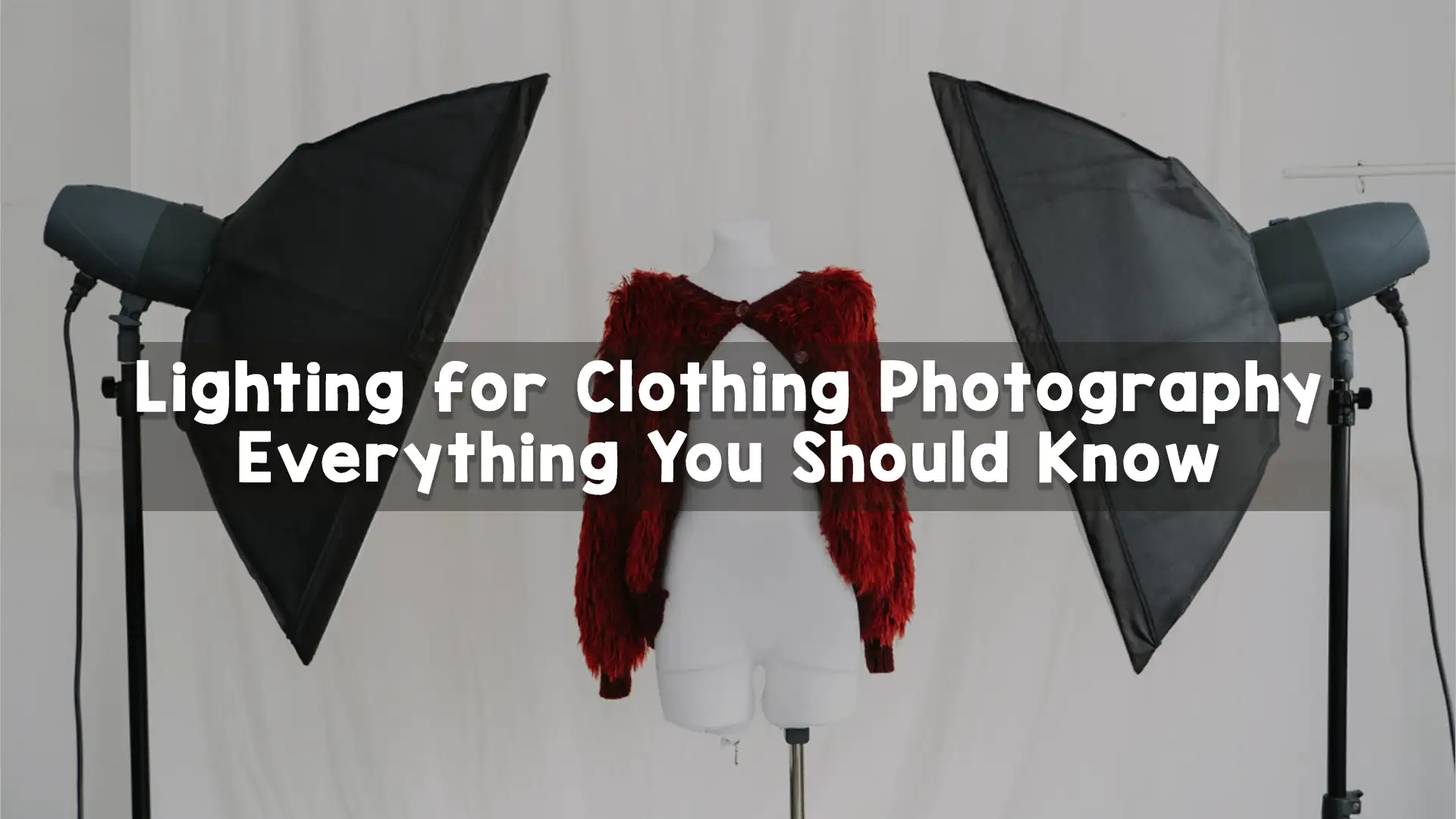
Artificial lighting, on the other hand, gives you full control. Studio lights, LED panels, and softboxes are commonly used in lighting for clothing photography to create consistent and adjustable lighting conditions. This type of lighting is ideal for indoor shoots and professional setups where accuracy and control matter most.
Key Lighting Techniques for Great Results
There are different lighting techniques that photographers use depending on the type of clothing, the look they want to achieve, and whether a model or flat lay setup is being used. One of the most common setups involves a three-point lighting technique: a key light, a fill light, and a backlight. This helps eliminate shadows, define edges, and bring out details.
Soft lighting is often used to make clothes look more natural. It prevents harsh shadows and brings out the true colors of the garment. A softbox or diffuser can help achieve this effect by spreading the light evenly across the clothing.
Another helpful technique in lighting for clothing photography is using a reflector to bounce light onto darker areas. This is especially useful when photographing fabrics with complex textures like lace, velvet, or corduroy.
Importance of Color Accuracy and White Balance
Color accuracy is one of the most critical aspects of lighting for clothing photography. Customers expect the item they order to match the color they saw online. If the lighting is too warm or too cool, it can change the appearance of the garment.
White balance settings in your camera must be adjusted depending on the lighting source. This helps your camera interpret the colors correctly. Shooting in RAW format also allows you to make better color adjustments during post-production.
Some photographers use color calibration tools like grey cards or color checkers to ensure accuracy. This step may seem small but can make a big difference when it comes to professional clothing photography.

Lighting Clothing on Models
Photographing clothes on a model adds life and movement to the images. However, it also introduces new challenges with lighting. Skin tones, facial features, and hair must also look good in addition to the clothing.
A soft, even lighting setup is recommended to flatter both the model and the outfit. You should also consider lighting from the side to highlight the garment’s shape and structure. Backlighting can add separation between the model and the background, making the image more three-dimensional.
When using lighting for clothing photography on models, it’s important to avoid overexposure. Too much light can wash out the colors and details of the fabric. The goal is to find the perfect balance between enough light to show the garment clearly and not so much that it alters its appearance.

Lighting for Flat Lay and Tabletop Clothing Photography
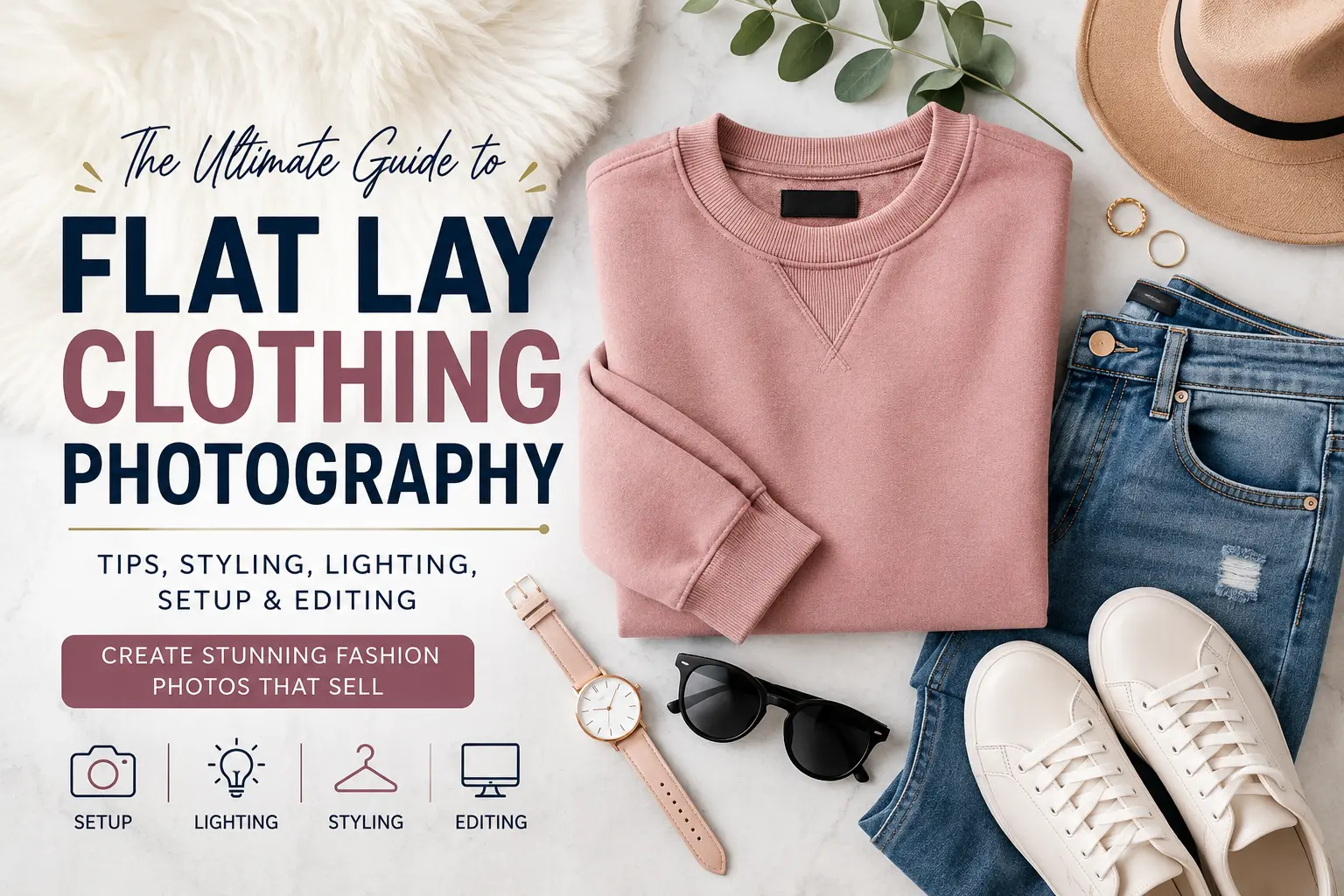
Flat lay photography is a popular method for displaying clothes, especially for e-commerce platforms and social media. The lighting must be even and shadow-free to highlight the product clearly. Softboxes or umbrella lights placed at a 45-degree angle from both sides usually work well.
Overhead lighting is also useful when doing flat lays, especially when combined with white or light-colored backgrounds. This helps reflect light evenly and keeps the clothing looking bright and sharp.
In tabletop setups, using a backlight or a small side light can help emphasize the fabric’s texture. Shadows should be minimal, but a slight shadow under the garment can make the image look more natural.
Lighting Shiny or Textured Fabrics
Certain fabrics like silk, satin, leather, or sequins present unique challenges because they reflect light differently. In these cases, it’s crucial to control the angle and intensity of the light. Hard light sources can create harsh reflections, while soft light helps maintain balance.
For shiny fabrics, diffused lighting is key. Using a large diffuser or bouncing light off a white wall can help soften reflections. Adjusting the angle of your light source slightly can also reduce unwanted glare and preserve the look of the fabric.
Textured materials such as knits or embroidered fabrics benefit from side lighting. This kind of lighting for clothing photography enhances shadows that bring out depth and detail, making the fabric feel more tactile in the photo.

Studio Lighting Equipment for Clothing Photography
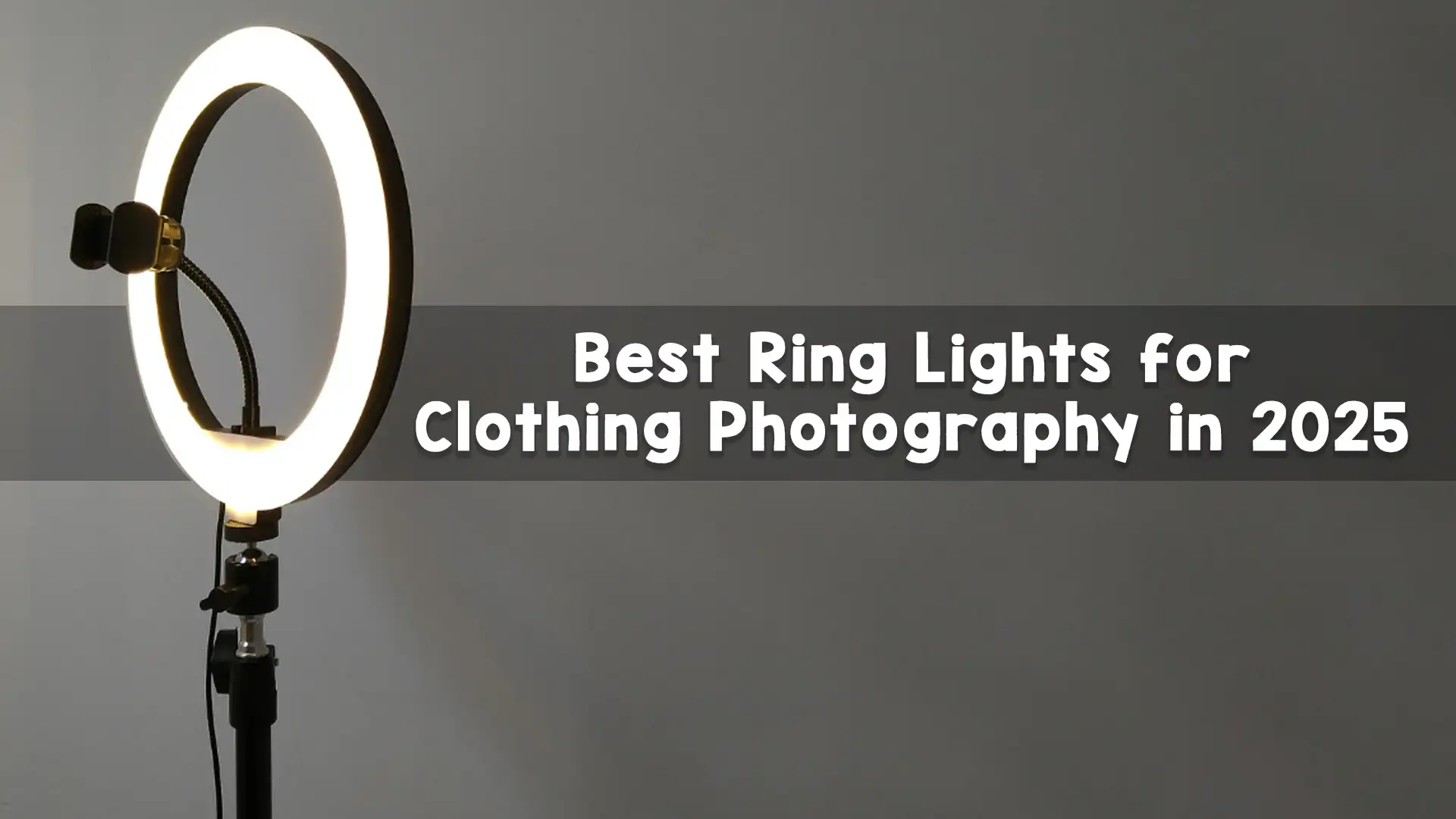
A professional studio setup often includes multiple light sources to create the perfect balance. Common equipment includes softboxes, umbrella lights, LED panels, ring lights, reflectors, and backdrop stands. A seamless white background is also a standard in many clothing photography studios because it allows the product to stand out.
Using LED lights with adjustable color temperatures can help match the light to the specific look you want to achieve. Many LED systems also allow you to control brightness levels, giving you more precision during shoots.
Tripods and remote shutter releases are also useful tools. They help keep the camera stable and reduce the chance of blurry images due to hand movement.

Post-Production and Image Editing
Even with perfect lighting, some amount of post-production is usually needed. Editing tools help correct minor lighting imbalances, enhance colors, remove background distractions, and ensure the clothing looks clean and professional.
Proper lighting for clothing photography combined with professional editing ensures that every detail of the garment stands out. Color correction, exposure adjustment, and shadow removal are typical editing steps that improve the overall quality of the image.
High-end image post-production services can significantly enhance your clothing photography. This is where companies like Image Work India come in. With expert photo editing and retouching services, your clothing photos can reach a professional standard without investing in expensive studio equipment.
Common Mistakes to Avoid in Lighting
One of the most common mistakes in clothing photography is using a single light source without any diffusion. This often results in harsh shadows and uneven lighting. Another mistake is neglecting white balance, which can make colors appear unnatural.
Photographers sometimes place lights too close to the clothing, leading to overexposure or hot spots. Inconsistent lighting across multiple photos in the same series can also be a problem, especially for e-commerce stores where uniformity is essential.
Avoid using built-in camera flash, as it creates unflattering and flat lighting. Instead, invest in external lights or natural light modifiers to gain better control.
Best Practices for Beginners
If you’re new to lighting for clothing photography, start simple. Use natural light near a large window with a white curtain to diffuse the light. Gradually invest in softboxes and reflectors as your skills improve.
Practice different lighting angles and observe how each setup changes the appearance of the garment. Take test shots, check color consistency, and don’t be afraid to experiment.
Learning how to balance light and shadow, manage white balance, and use simple equipment can go a long way in producing high-quality photos even at the beginner level.

How Image Work India Can Help You
At Image Work India, we specialize in providing high-quality image post-production services that elevate your clothing photography to a professional level. Whether you’re a small boutique, an online retailer, or a large fashion brand, our team can help make your product images stand out.
We offer professional retouching, background removal, color correction, wrinkle reduction, and shadow enhancement services tailored specifically for fashion and apparel photography. Even if your lighting for clothing photography isn’t perfect during the shoot, we can correct and enhance your photos to meet industry standards.
Our team understands the challenges involved in capturing the perfect clothing image and works closely with you to deliver consistent, clean, and polished results. We use advanced editing software and a meticulous workflow to ensure each garment looks its best, true to color, and appealing to your audience.
Partnering with Image Work India means less time spent editing and more time focusing on your business. Let us help you create beautiful clothing images that boost sales and build brand trust.

Conclusion
Understanding lighting for clothing photography is essential for anyone looking to produce high-quality, professional-looking images. From natural light setups to complex studio arrangements, good lighting reveals the true beauty of the garments and makes them more attractive to buyers. Whether you’re photographing clothes on models, mannequins, or flat lays, the right lighting techniques make a huge difference in the final image.
Don’t overlook the value of post-production either. With professional services like those offered by Image Work India, your photos can be elevated from good to great. With the right lighting and expert editing, your clothing photography will not only meet industry standards but also win the trust and admiration of your customers.
If you’re ready to enhance your fashion photography portfolio, get in touch with Image Work India today. We’re here to make your clothing images shine.