
Sports photography is fast, exciting, and sometimes unpredictable. One second the field looks calm, and the next second a player is sprinting toward the goal. If you have ever tried to capture that perfect action shot, you already know how challenging it can be. I have been photographing sports for years – from local school matches to professional tournaments – and I can confidently say that mastering the Best Camera Settings for Sports Photography makes all the difference.
Many beginners think they need the most expensive camera to capture amazing sports photos. While gear helps, your success depends far more on choosing the right Camera Settings for Sports Photography. When your settings are correct, even a mid-range camera can produce powerful, sharp, and professional-looking images.
In this 2026 edition guide, I will walk you step-by-step through the Best Settings for Sports Photography in a simple and practical way. I will explain shutter speed, aperture, ISO, focus modes, drive modes, white balance, and more – using easy language. Whether you shoot football, cricket, basketball, athletics, or indoor sports, these Settings for Sports Photography will help you freeze action and tell better stories through your images.
Let’s dive in.
Why Camera Settings Matter So Much in Sports Photography
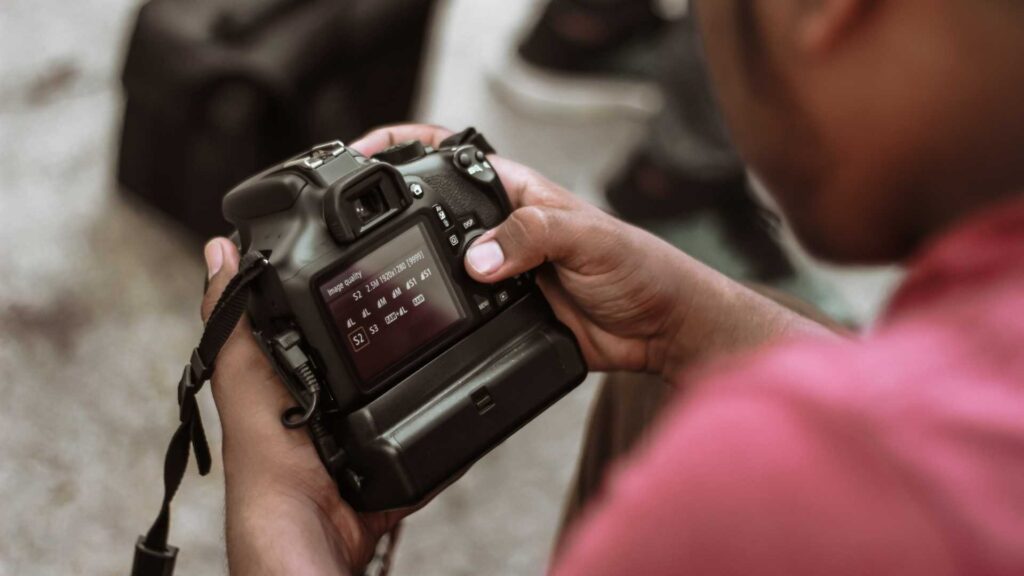
Sports move fast. Really fast. If your camera is not properly configured, you will end up with blurry players, missed moments, and frustration.
The main challenge in sports photography is motion. Athletes are constantly running, jumping, kicking, diving, or swinging. To freeze that action, you need the right combination of shutter speed, aperture, and ISO. This combination is the foundation of the Best Camera Settings for Sports Photography.
Another important factor is lighting. Outdoor daylight matches are very different from indoor stadium events. Artificial lighting, shadows, and changing weather conditions require you to adjust your Camera Settings for Sports Photography accordingly.
Once you understand how each setting works, you can confidently adjust them based on the sport and environment.
Shutter Speed: The Most Important Setting
If I had to choose one setting that matters the most, it would be shutter speed.
Shutter speed controls how long your camera’s sensor is exposed to light. In sports photography, you want to freeze motion. That means you need a fast shutter speed.
For most outdoor sports in daylight, I recommend starting at 1/1000 second. For very fast sports like football or hockey, you may even go up to 1/2000 second. If you are shooting something like cricket when the ball is moving extremely fast, faster shutter speeds give you sharper results.
For indoor sports, you may need to compromise slightly due to lower light. In that case, try to stay at least around 1/640 second. Anything slower and you risk motion blur.
Understanding shutter speed is a key part of mastering the Best Settings for Sports Photography. Without a fast enough shutter, even perfect focus will not save your shot.
Aperture: Letting in the Right Amount of Light
Aperture controls how much light enters your lens. It also affects depth of field, which determines how much of the image is in focus.
For sports photography, a wide aperture like f/2.8, f/3.5, or f/4 works best. A wide aperture allows more light into the camera, which helps you maintain a fast shutter speed. It also creates a blurred background that makes the athlete stand out beautifully.
Many professional sports photographers use lenses with f/2.8 because it helps achieve the Best Camera Settings for Sports Photography even in challenging lighting conditions.
If you are shooting group shots where multiple players need to be in focus, you can slightly narrow your aperture to f/5.6. But remember, narrowing the aperture reduces light, so you may need to adjust ISO accordingly.
Balancing shutter speed and aperture is essential when setting up your Camera Settings for Sports Photography.
ISO: Managing Light Without Losing Quality
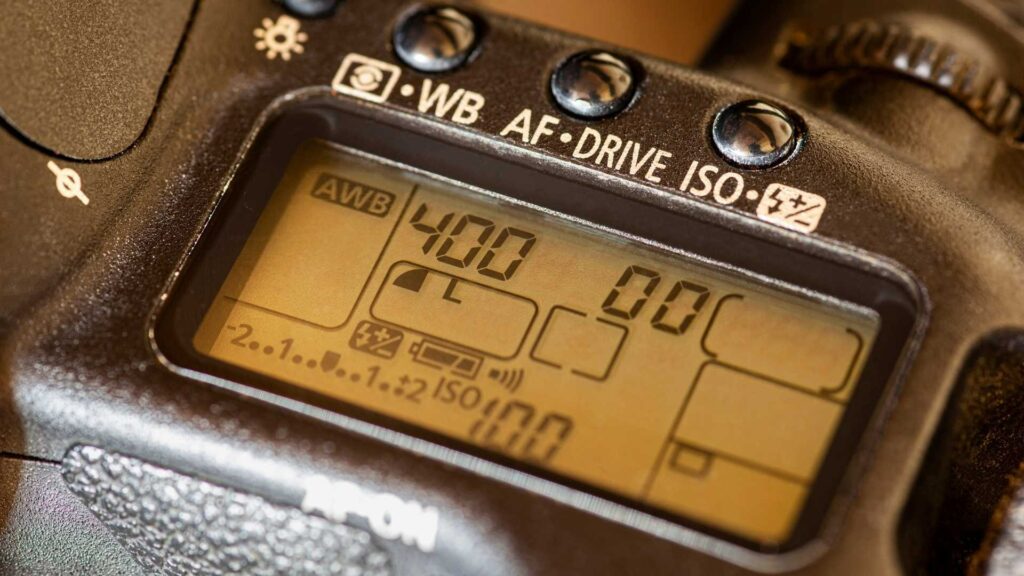
ISO controls how sensitive your camera sensor is to light. A low ISO like 100 or 200 produces very clean images. A higher ISO like 1600 or 3200 helps in low light but can introduce noise.
For outdoor daytime sports, keep your ISO as low as possible while maintaining your desired shutter speed. Usually ISO 100 to 400 works perfectly.
For cloudy days or late evening matches, you may need ISO 800 to 1600. For indoor sports under artificial lights, ISO 1600 to 3200 is common in modern cameras.
In 2026, many cameras handle high ISO much better than before. Still, the goal remains the same – use the lowest ISO that allows you to maintain the Best Settings for Sports Photography.
Autofocus Settings: Keeping Moving Subjects Sharp
Autofocus is just as important as exposure settings. If your focus mode is wrong, your images will be soft.
Always use continuous autofocus mode. On many cameras, this is called AI Servo (Canon) or AF-C (Nikon and Sony). This mode continuously tracks moving subjects and adjusts focus as they move.
Enable subject tracking if your camera supports advanced autofocus systems. Modern mirrorless cameras now have impressive tracking capabilities that make achieving the Best Camera Settings for Sports Photography easier than ever.
Select dynamic or zone focusing areas instead of single-point focus when shooting fast action. This gives your camera more flexibility to lock onto moving athletes.
Proper autofocus configuration is a critical part of professional Camera Settings for Sports Photography.
Drive Mode: Capture the Action Burst
Sports moments happen in fractions of a second. That is why you should use burst mode, also known as continuous shooting mode.
Set your camera to high-speed continuous shooting. This allows you to capture multiple frames per second. Later, you can select the best image from the sequence.
This technique greatly improves your chances of getting the perfect shot and is an important component of the Best Settings for Sports Photography.
However, do not just hold the shutter button randomly. Anticipate the action. Timing is everything.
White Balance and Color Accuracy
White balance affects the color temperature of your images. For outdoor sports in daylight, the daylight setting works well. For cloudy conditions, use the cloudy setting to warm up your images.
Indoor sports under artificial lighting can be tricky. Auto white balance usually performs well in modern cameras, but always check your results.
Getting accurate colors ensures your final images look professional and polished, especially if they are for media or commercial use. Even though white balance is not as critical as shutter speed, it still contributes to achieving the Best Camera Settings for Sports Photography.
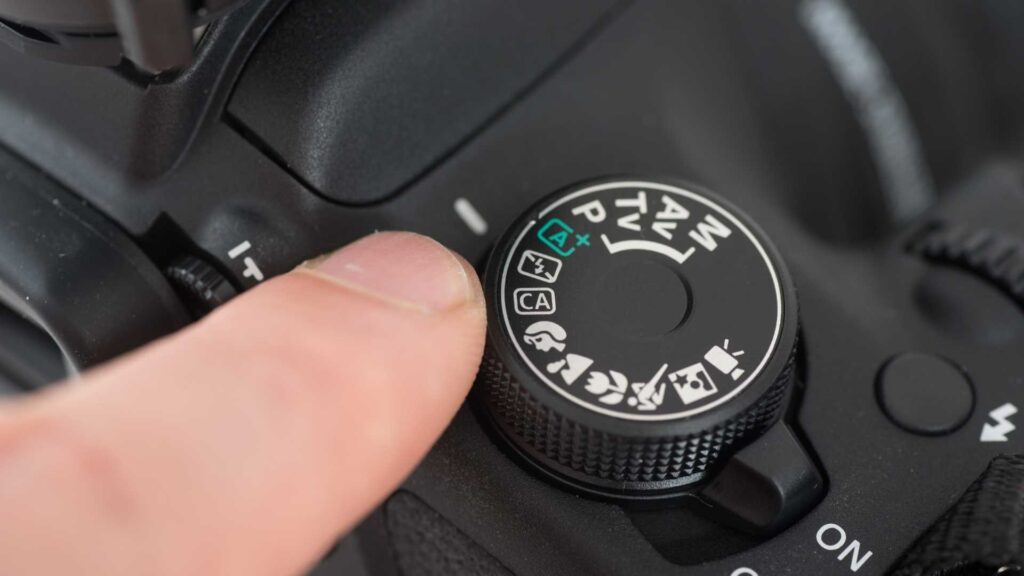
Shooting Mode: Manual or Shutter Priority?
Many beginners ask me whether they should shoot in Manual mode or Shutter Priority.
If you are new, start with Shutter Priority mode. Set your shutter speed to 1/1000 second and let the camera adjust aperture automatically. This helps you maintain fast speeds without worrying about constant exposure adjustments.
As you gain confidence, switch to Manual mode. Manual gives you full control over shutter speed, aperture, and ISO. Most professional sports photographers prefer manual because lighting can change rapidly during a match.
Understanding exposure control is essential to mastering the Camera Settings for Sports Photography in any environment.
Lens Choice and Focal Length
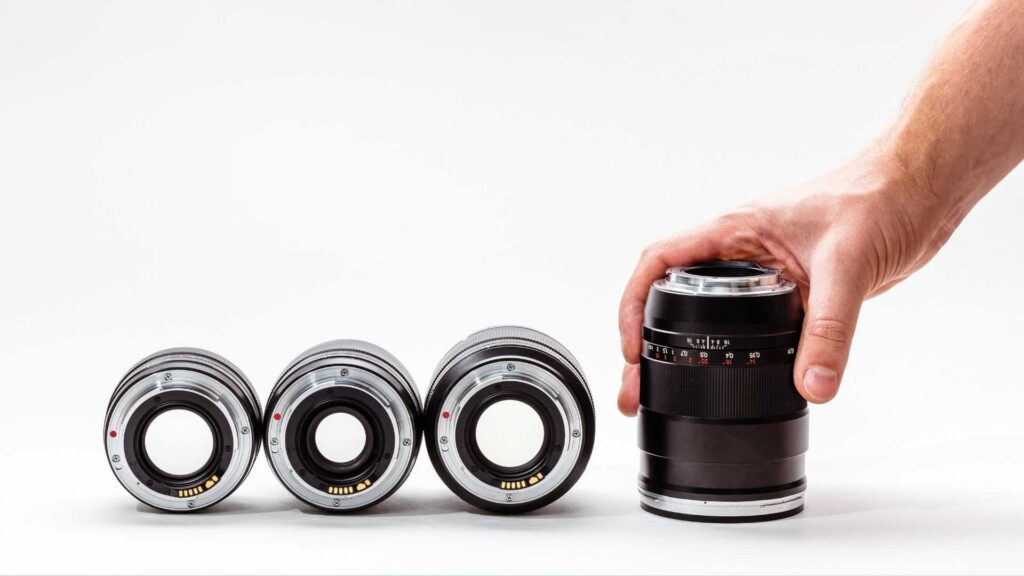
While this article focuses on the Best Camera Settings for Sports Photography, lens selection also matters.
For outdoor field sports, telephoto lenses such as 70-200mm or 100-400mm are ideal. They allow you to capture action from a distance without entering the field.
For indoor courts, shorter focal lengths like 24-70mm may work better, especially if you are close to the action.
Your lens and your Settings for Sports Photography must work together. A fast lens helps maintain lower ISO and higher shutter speeds.
Positioning and Anticipation
Even with perfect Best Settings for Sports Photography, positioning is everything.
Study the sport before shooting. Understand player movements, common scoring positions, and key moments. Anticipation allows you to pre-focus and prepare before the action happens.
Good positioning combined with optimized Camera Settings for Sports Photography produces powerful storytelling images.
Indoor vs Outdoor Sports Settings
Outdoor sports in bright daylight are easier because you have more light to work with. You can maintain low ISO and fast shutter speeds comfortably.
Indoor sports require careful adjustment. You may need higher ISO, wider aperture, and precise autofocus tracking. This is where mastering the Best Camera Settings for Sports Photography truly shows your skill.
Every sport is different, but the core principles remain the same.
Image Editing: The Final Step to Professional Results
Even when you use the Best Settings for Sports Photography, post-processing plays a huge role in final output.
Cropping improves composition. Adjusting exposure and contrast enhances drama. Noise reduction helps clean up high ISO images. Color correction ensures accurate team uniforms and natural skin tones.
Professional sports photographers always edit their images before delivering them to clients or media houses.
If you are a photographer handling large volumes of sports images, editing can become time-consuming. That is where professional image editing services become valuable.
At Image Work India, we provide high-quality Image Editing Service tailored for photographers. Whether you need color correction, background enhancement, noise reduction, or bulk sports image editing, our team ensures your images look sharp and professional.
Outsourcing editing allows you to focus on shooting while we handle the post-production process with precision and care.
Final Thoughts on the Best Camera Settings for Sports Photography
Mastering the Best Camera Settings for Sports Photography is not about memorizing numbers. It is about understanding how shutter speed, aperture, ISO, and autofocus work together.
When you apply the right Settings for Sports Photography, you freeze action, capture emotion, and tell powerful stories. The Best Settings for Sports Photography may vary slightly depending on the sport and lighting, but the foundation remains the same.
Always prioritize fast shutter speed. Use a wide aperture. Adjust ISO carefully. Enable continuous autofocus. Shoot in burst mode. Anticipate the action.
With practice and experience, your Camera Settings for Sports Photography will become second nature. Over time, you will instinctively know how to adjust your camera even before lifting it to your eye.
Sports photography is challenging but incredibly rewarding. When you capture that winning goal, that intense expression, or that dramatic moment of victory, you realize why mastering the Best Camera Settings for Sports Photography truly matters.
And when you are ready to take your sports images to the next level, Image Work India is here to support you with a professional Image Editing Service that enhances every detail of your hard work.
Keep practicing, keep experimenting, and most importantly, enjoy the game through your lens.