

If you are thinking about buying the Fujifilm X-T5 for sports work, you are probably asking one simple question: is it really good enough for fast action in 2026? Cameras have evolved quickly in the last few years. Autofocus systems are smarter. Burst rates are faster. And full-frame bodies dominate professional sports sidelines. So where does the X-T5 stand today?
Many photographers searching for Fujifilm Xt5 Sports Photography are not beginners. They are serious enthusiasts or working professionals who want performance without carrying a heavy full-frame setup. Some are already using Fujifilm for weddings, portraits, or travel and are wondering if the X-T5 can handle football, cricket, motorsports, or indoor basketball. Others are comparing it directly with cameras like the Fujifilm X-H2S, Sony A7 IV, and Canon EOS R6 Mark II.
In this detailed 2026 reality check, we will look at autofocus, burst speed, buffer depth, image quality, handling, lens options, and real-world sports use. We will also talk honestly about where the X-T5 shines and where it struggles. By the end, you will know whether Fujifilm Xt5 Sports Photography is a smart investment for your needs.
Let’s dive in.
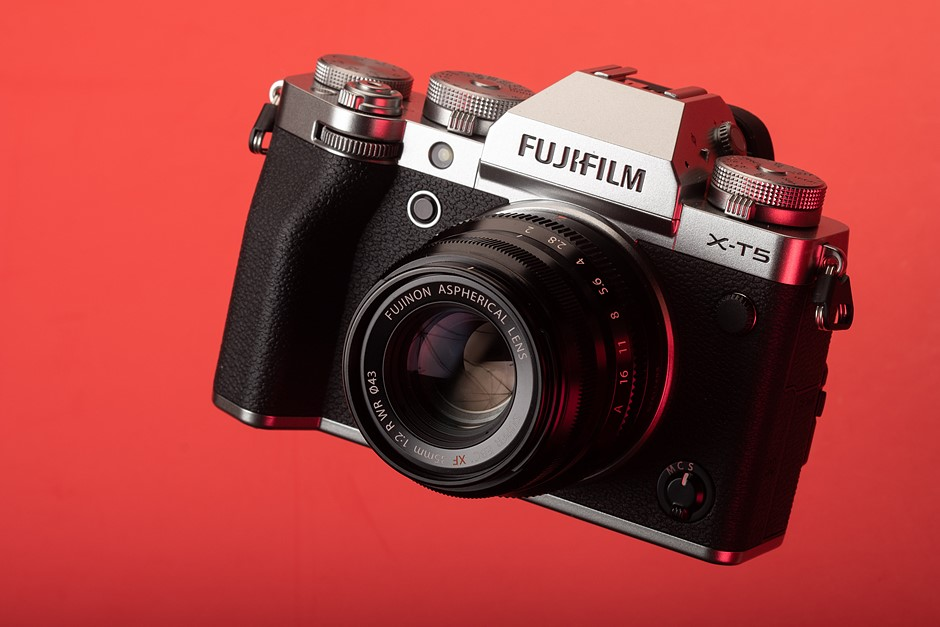
Understanding the Fujifilm X-T5 in 2026
The Fujifilm X-T5 is built around a 40.2-megapixel APS-C X-Trans CMOS 5 HR sensor. On paper, that resolution sounds more like a landscape or studio camera. Sports photography usually focuses more on speed than megapixels. However, resolution matters when you need to crop aggressively, especially in field sports where you cannot always get close to the action.
In 2026, the X-T5 is no longer the newest body in Fujifilm’s lineup, but it remains very relevant. Its processor, the X-Processor 5, supports advanced subject detection autofocus, improved tracking, and decent burst shooting performance. It also offers in-body image stabilization, weather sealing, and the classic Fujifilm dial-based design that many photographers love.
When evaluating Fujifilm Xt5 Sports Photography, we need to separate marketing from real-world performance. This camera is not designed primarily as a flagship sports body. That role in Fujifilm’s system belongs more to the X-H2S. However, the X-T5 offers a balance of resolution and speed that can be very attractive for hybrid shooters.
Autofocus Performance for Sports
Autofocus is the heart of sports photography. If focus fails, everything else becomes irrelevant.
The X-T5 uses phase-detection autofocus points across most of the frame and includes subject detection for humans, animals, birds, cars, motorcycles, trains, and airplanes. For outdoor sports like football, cricket, athletics, and cycling, the tracking performance is impressive when paired with good lenses.
In bright daylight, Fujifilm Xt5 Sports Photography delivers reliable face and eye detection. When shooting players running toward you, the camera can maintain focus consistently, especially with newer linear motor lenses. The tracking box sticks reasonably well to the subject, and the hit rate is strong when you use continuous autofocus with proper settings.
However, in low-light indoor arenas, the performance is good but not class-leading. Compared to stacked sensor bodies like the X-H2S, the X-T5 may show slightly slower readout and occasional rolling shutter when using the electronic shutter. For indoor basketball or volleyball under artificial lighting, you will need to carefully test your settings and possibly rely on the mechanical shutter for better consistency.
Still, for many semi-pro and freelance photographers, the autofocus is more than capable. If your work includes school sports, local leagues, or regional tournaments, Fujifilm Xt5 Sports Photography can absolutely handle the job.
Burst Speed and Buffer: Is It Fast Enough?
Speed is critical when capturing peak action moments. The X-T5 offers up to 15 frames per second with the mechanical shutter and up to 20 frames per second with the electronic shutter, with a 1.29x crop in certain modes.
For most sports situations, 15 fps is more than enough. Football tackles, cricket batting shots, tennis serves, and even motorsports sequences can be captured effectively at this speed. The key factor is timing and anticipation, not just frame rate.
The buffer depth is solid when using fast SD cards, but it is not unlimited. If you shoot long bursts in RAW at maximum speed, you will hit the buffer eventually. Professional sports photographers who rely on extremely long continuous bursts may find this limiting. However, if you shoot in short controlled bursts, the performance is practical and reliable.
In real-world Fujifilm Xt5 Sports Photography, the camera encourages smarter shooting rather than “spray and pray.” For many experienced photographers, that is not a disadvantage.
Image Quality and Cropping Power
One of the strongest arguments in favor of the X-T5 for sports is its 40.2-megapixel resolution. Sports photographers often cannot get as close as they want. In large stadiums, you may be stuck far from the action.
The high resolution allows heavy cropping while still maintaining detailed files. For agencies, newspapers, or online publications, this flexibility is extremely valuable. You can reframe the image later without losing too much quality.
The APS-C sensor also provides an effective reach advantage. A 200mm lens behaves like a 300mm equivalent in full-frame terms. This makes telephoto shooting more accessible and slightly more affordable.
When discussing Fujifilm Xt5 Sports Photography, this combination of reach and resolution is a major benefit. You can capture a wider frame and crop later, or shoot tighter with telephoto lenses and still retain detail for large prints.
Dynamic range and color science are also strong points. Fujifilm’s film simulations provide pleasing skin tones and vibrant sports uniforms straight out of camera. For professionals delivering quick turnarounds, this can reduce editing time.

Handling and Ergonomics for Long Sports Sessions
Sports events can last hours. Comfort matters.
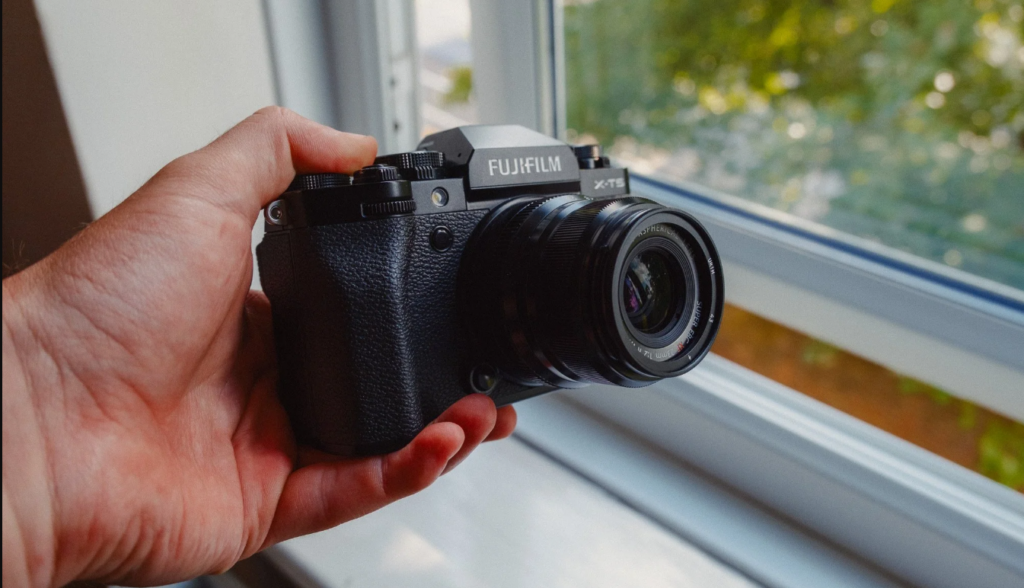
The X-T5 is relatively compact and lightweight compared to many full-frame competitors. This makes it easier to carry during long matches or tournaments. The physical dials for shutter speed, ISO, and exposure compensation appeal to traditional photographers, but some sports shooters prefer PASM-style controls for faster adjustments.
The grip is decent but not as deep as some larger bodies. With heavier telephoto lenses, you might want to add a battery grip or use a lens with good balance.
Battery life is respectable and can last through extended shooting sessions, especially if you manage your power settings wisely. For serious sports coverage, carrying extra batteries is always recommended.
In daily use, Fujifilm Xt5 Sports Photography feels responsive and solid. The weather sealing adds confidence when shooting outdoor sports in rain or dust.
Lens Selection: A Critical Factor
A sports camera is only as good as the lenses you pair with it.
Fujifilm offers several strong telephoto options, including fast zooms and primes. Lenses with linear motors provide faster and quieter autofocus, which is essential for action. When evaluating Fujifilm Xt5 Sports Photography, you must budget not just for the body but for high-performance lenses.
For field sports, a 50-140mm f/2.8 or 100-400mm lens can be ideal. For indoor sports, fast primes or constant f/2.8 zooms help maintain shutter speed without pushing ISO too high.
Compared to full-frame systems, Fujifilm’s APS-C lenses are generally lighter and more compact. This can be a major advantage for travel and tournament coverage.
Rolling Shutter and Electronic Shutter Concerns
One important reality check for 2026 is rolling shutter performance. Because the X-T5 does not use a stacked sensor, the electronic shutter can show distortion when photographing extremely fast-moving subjects.
In sports like tennis, baseball, or motorsports, you may notice bent rackets or distorted wheels if you rely heavily on the electronic shutter. The mechanical shutter reduces this issue but limits the maximum frame rate.
For many types of sports, especially field sports, this is not a major problem. But for high-speed professional action, this is one area where Fujifilm Xt5 Sports Photography may fall slightly behind more specialized bodies.
Who Should Buy the Fujifilm X-T5 for Sports?
The X-T5 is ideal for hybrid photographers who shoot sports along with portraits, events, weddings, or commercial work. Its high resolution makes it versatile across genres.
It is also a strong choice for freelancers covering regional sports events, schools, academies, and local leagues. If you are not working at the Olympic level every week, the performance is more than sufficient.
However, full-time professional sports photographers working for major agencies may prefer faster stacked sensor bodies for maximum reliability and minimal rolling shutter.
For many buyers researching Fujifilm Xt5 Sports Photography, the real question is value. And in terms of price-to-performance ratio, the X-T5 offers impressive capabilities.

Post-Processing and Workflow for Sports Photographers
Shooting sports often means delivering images quickly. High frame rates generate hundreds or thousands of files in a single event. Efficient culling and editing are essential.
The 40MP files from the X-T5 are detailed but large. Proper file management and optimized editing workflows are important. Cropping, noise reduction, sharpening, and color correction must be handled carefully to maintain professional standards.
This is where professional image editing services can save time and improve consistency. At Image Work India, we specialize in sports photo editing, background cleanups, color correction, noise reduction, and bulk image processing. If you are covering tournaments regularly and need fast delivery, our team can help streamline your workflow.
You can learn more about our services at imageworkindia. We work with photographers worldwide who demand quality and speed.
Final Verdict: Is It Good for Sports in 2026?
So, is the Fujifilm X-T5 good for sports in 2026?
Yes, with realistic expectations.
Fujifilm Xt5 Sports Photography is powerful, detailed, and capable for most real-world sports applications. It offers strong autofocus, solid burst rates, excellent image quality, and the flexibility of high resolution. It is not the ultimate flagship sports machine, but it does not need to be for most photographers.
If you want a lightweight, high-resolution camera that can confidently handle sports while also excelling in other genres, the X-T5 remains a smart investment.
And once you capture those incredible action shots, let Image Work India help you polish them to perfection. Visit imageworkindia to explore our professional image editing services and take your sports photography business to the next level.
In the end, Fujifilm Xt5 Sports Photography is not just about specs. It is about how you use the camera, how you time your shots, and how you refine your final images. With the right skills and support, the X-T5 can absolutely deliver winning results.