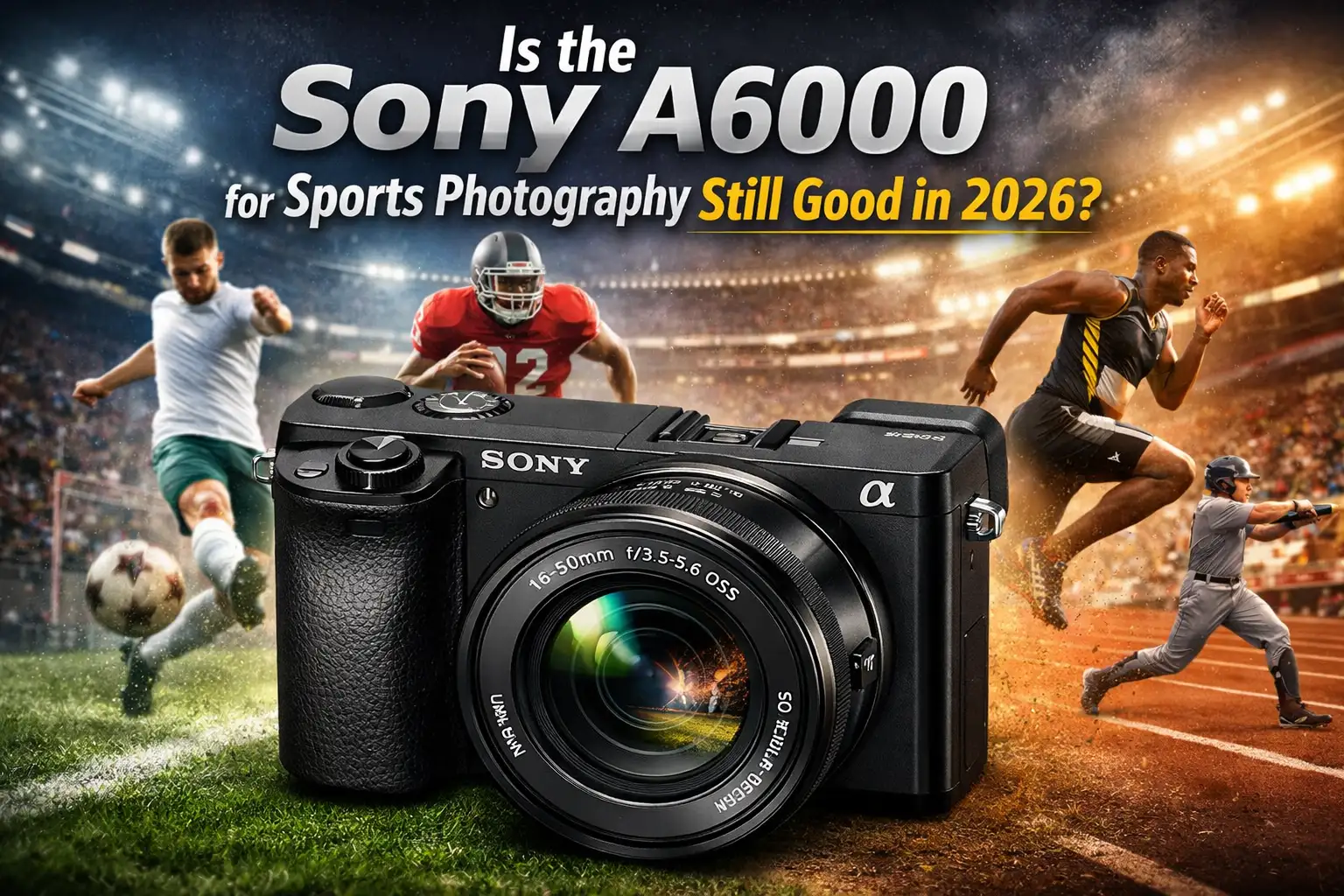

If you are here, you are probably wondering whether the Sony A6000 for Sports Photography is still worth it in 2026. Maybe you already own one. Maybe you found a great deal on a used body. Or maybe you are just starting your photography journey and want to know if this older camera can still handle fast action.
As a professional photographer who has covered everything from local football matches to professional track events, I have used many camera bodies over the years. I have shot with high-end full-frame systems, the latest mirrorless flagships, and yes, I have also spent serious time with the Sony A6000. Even in 2026, I still get questions about it. That alone says something.
In this detailed guide, I will break down everything you need to know about the Sony A6000 for Sports Photography. We will talk about autofocus, burst speed, image quality, limitations, and how it compares to newer cameras. By the end, you will have a clear answer based on real-world experience, not just specs on paper.
Let’s dive in.
A Quick Look at the Sony A6000 in 2026
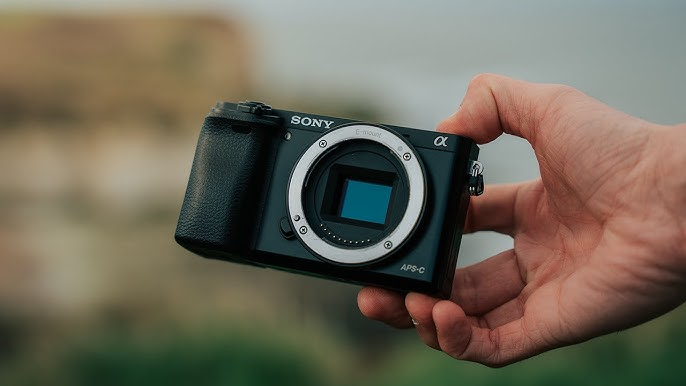
The Sony A6000 was released back in 2014. That makes it more than a decade old in 2026. In tech years, that sounds ancient. But cameras are not smartphones. A good sensor and solid autofocus system do not suddenly become useless just because something new came out.
The Sony A6000 features a 24.3-megapixel APS-C sensor. That resolution is still more than enough for sports photography, especially for online publishing, social media, school events, and even small magazine prints. I have delivered sports images shot on 20–24MP cameras for years without any complaints from clients.
What really made the Sony A6000 for Sports Photography popular was its fast autofocus system and 11 frames per second burst rate. Back in its time, that was impressive. Even today, 11 fps is still very usable for many sports situations.
In 2026, the Sony A6000 is mostly found on the used market. That actually works in its favor. You can get it at a very affordable price, making it a strong option for beginners and hobbyists who want to shoot sports without spending a fortune.
Autofocus Performance for Sports
When we talk about sports photography, autofocus is everything. Fast subjects, unpredictable movement, changing direction – your camera must lock on and keep up.
The Sony A6000 uses a hybrid autofocus system with 179 phase-detection points. For its time, that was revolutionary. Even now, it performs surprisingly well in good lighting conditions.
For outdoor sports like football, cricket, athletics, and cycling during the day, the Sony A6000 for Sports Photography still holds up. It can track players running toward you, especially if you use continuous autofocus mode and center or flexible spot focus areas.
However, compared to modern mirrorless cameras in 2026, it does have limitations. Newer models have advanced subject detection, AI-based tracking, and improved low-light performance. The Sony A6000 does not have real-time eye autofocus for sports like modern cameras do.
In bright daylight, though, it is reliable. I have personally shot school sports days and local tournaments with it, and the hit rate was more than acceptable for non-professional leagues.
For indoor sports like basketball or badminton in poorly lit halls, the autofocus can struggle. It hunts more in low light compared to newer bodies. So if you mainly shoot indoor professional sports, you might feel its age.
But for outdoor action in decent light, the Sony A6000 for Sports Photography still performs better than many entry-level DSLRs.
Burst Speed and Buffer: Can It Keep Up?
Sports photography often means holding down the shutter and capturing a sequence. Timing is critical.
The Sony A6000 shoots at up to 11 frames per second. That is still impressive in 2026 for an affordable APS-C body. When shooting a sprinter crossing the finish line or a football player heading the ball, that speed can help you capture the perfect moment.
The buffer, however, is not unlimited. If you shoot RAW continuously, the buffer fills up relatively quickly. After that, the camera slows down while writing to the memory card.
To get the best performance from the Sony A6000 for Sports Photography, you should use a fast SD card and avoid unnecessary long bursts. Instead of spraying and praying, learn to anticipate the action. That is a skill every sports photographer should develop anyway.
With proper timing, 11 fps is more than enough for most amateur and semi-professional sports coverage.
Image Quality: Is 24MP Still Enough?
Let me be very honest here. Yes, 24 megapixels is still more than enough in 2026.
The APS-C sensor in the Sony A6000 delivers detailed and sharp images, especially at lower ISO settings. For outdoor sports in daylight, image quality is excellent. Colors are natural, and dynamic range is respectable.
When you increase the ISO for evening matches, noise becomes more noticeable. Compared to modern sensors, it does not handle high ISO as cleanly. But with good exposure and some careful editing, you can still produce very usable results.
This is where post-processing becomes important. At Image Work India, we regularly work on sports images captured on older cameras. With professional image editing, noise reduction, color correction, and sharpening, photos from the Sony A6000 for Sports Photography can look polished and professional.
In the end, image quality is still strong enough for websites, newspapers, and even printed albums.
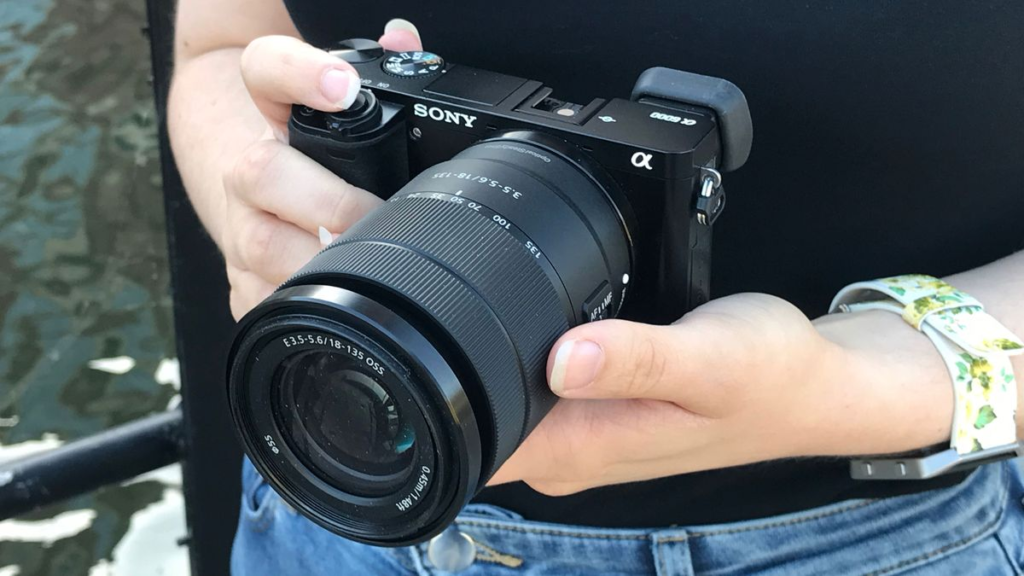
Lens Options Matter More Than the Body
Here is something many beginners overlook: for sports photography, the lens is often more important than the camera body.
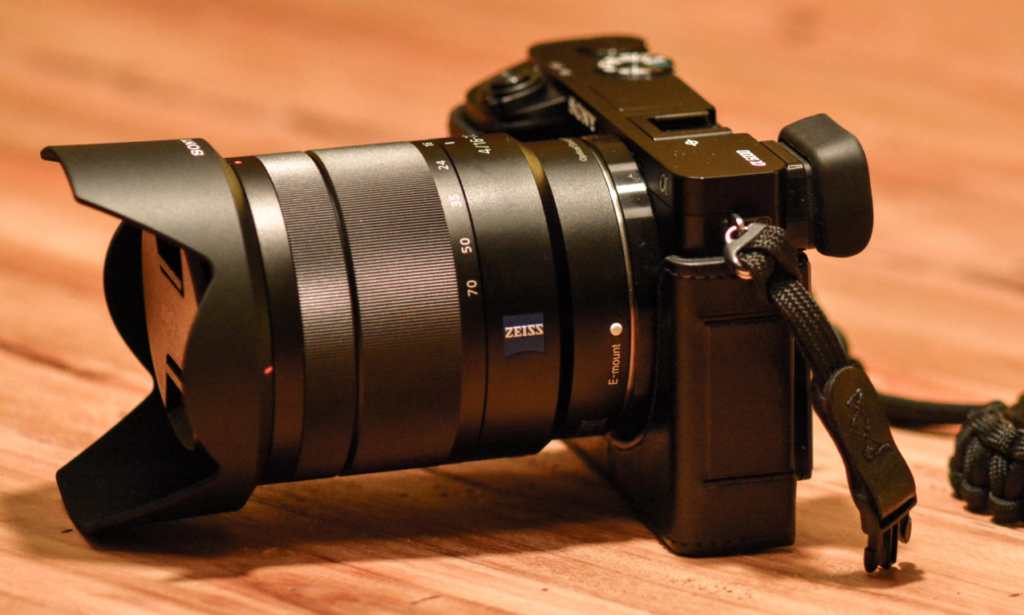
The Sony A6000 uses the Sony E-mount system. That gives you access to a wide range of lenses from Sony and third-party brands. A good telephoto lens like a 70-200mm or 55-210mm makes a huge difference.
If you pair the Sony A6000 for Sports Photography with a fast lens that has good autofocus performance, your results will improve dramatically. On the other hand, if you use a slow kit lens in poor light, even the best camera will struggle.
In my experience, investing in quality glass and learning proper technique matters more than upgrading to the latest body every year.
Comparing It to Newer Cameras in 2026
In 2026, Sony has released several advanced APS-C and full-frame mirrorless cameras. For example, the Sony A6700 offers improved autofocus with AI subject tracking, better low-light performance, and advanced video features.
Compared to such models, the Sony A6000 for Sports Photography is clearly behind in technology. Newer cameras lock focus faster, track subjects more intelligently, and offer better high ISO performance.
However, not everyone needs the latest technology. If you are a beginner, a student, or someone covering local sports events, the Sony A6000 can still deliver excellent results at a fraction of the cost.
It comes down to your needs and budget. If you are shooting professional sports for major publications, you may want a newer body. But if you are building your portfolio or shooting for fun, the Sony A6000 is still capable.
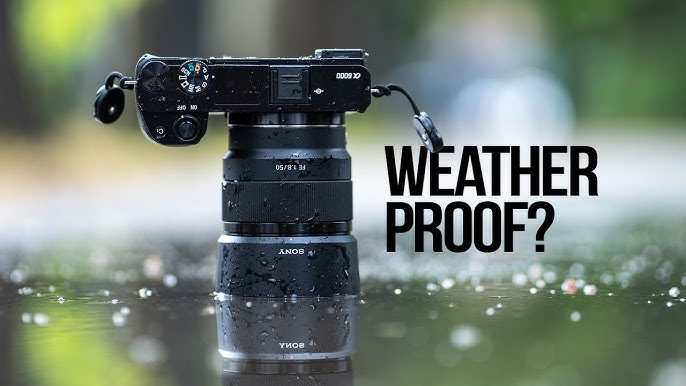
Real-World Scenarios: Where It Still Shines
The Sony A6000 for Sports Photography is still very good for school sports, local leagues, outdoor tournaments, cycling races, running events, and casual wildlife action.
It is lightweight and compact, which is a big advantage when you are moving around the field for hours. Your arms and shoulders will thank you.
Battery life is decent but not amazing. For a full day of sports coverage, you should carry extra batteries. That is something I always recommend, no matter which camera you use.
The electronic viewfinder is small compared to modern models, but it is usable. Once you get used to it, you can track action effectively.
The Importance of Editing in Sports Photography
No matter how good your camera is, editing plays a crucial role in sports photography. Cropping, straightening, adjusting exposure, and enhancing colors can turn a good shot into a great one.
With the Sony A6000 for Sports Photography, proper editing can compensate for minor noise or exposure issues. At Image Work India, we specialize in professional Image Editing Service for photographers. We help enhance sports images by improving sharpness, correcting colors, reducing noise, and optimizing them for print or web.
Even if you are using an older camera like the Sony A6000, expert editing can elevate your work to a professional level.
Is the Sony A6000 for Sports Photography Still Good in 2026?
Now let’s answer the big question clearly.
Yes, the Sony A6000 for Sports Photography is still good in 2026 – but with realistic expectations.
It is not the best sports camera available today. It does not have the advanced AI autofocus or superior low-light performance of newer models. But it still offers fast burst shooting, solid autofocus in good light, and excellent 24MP image quality.
For beginners, hobbyists, students, and budget-conscious photographers, it remains a powerful tool. If you focus on technique, timing, and good lenses, you can capture stunning sports images with it.
As someone who has spent years behind the camera at sporting events, I can confidently say this: gear matters, but skill matters more. The Sony A6000 for Sports Photography is more than capable in the hands of a photographer who understands the game and anticipates the action.
If you are already using this camera, do not feel pressured to upgrade immediately. Master it first. Learn how to track subjects, control exposure, and edit your images professionally.
And if you need help bringing your sports photos to life, Image Work India is here for you. We provide high-quality Image Editing Service tailored for photographers who want their images to stand out. From color correction to advanced retouching, our team ensures your sports shots look dynamic, sharp, and publication-ready.
Thank you for visiting Image Work India. Keep shooting, keep learning, and remember – the best camera is the one you know how to use.