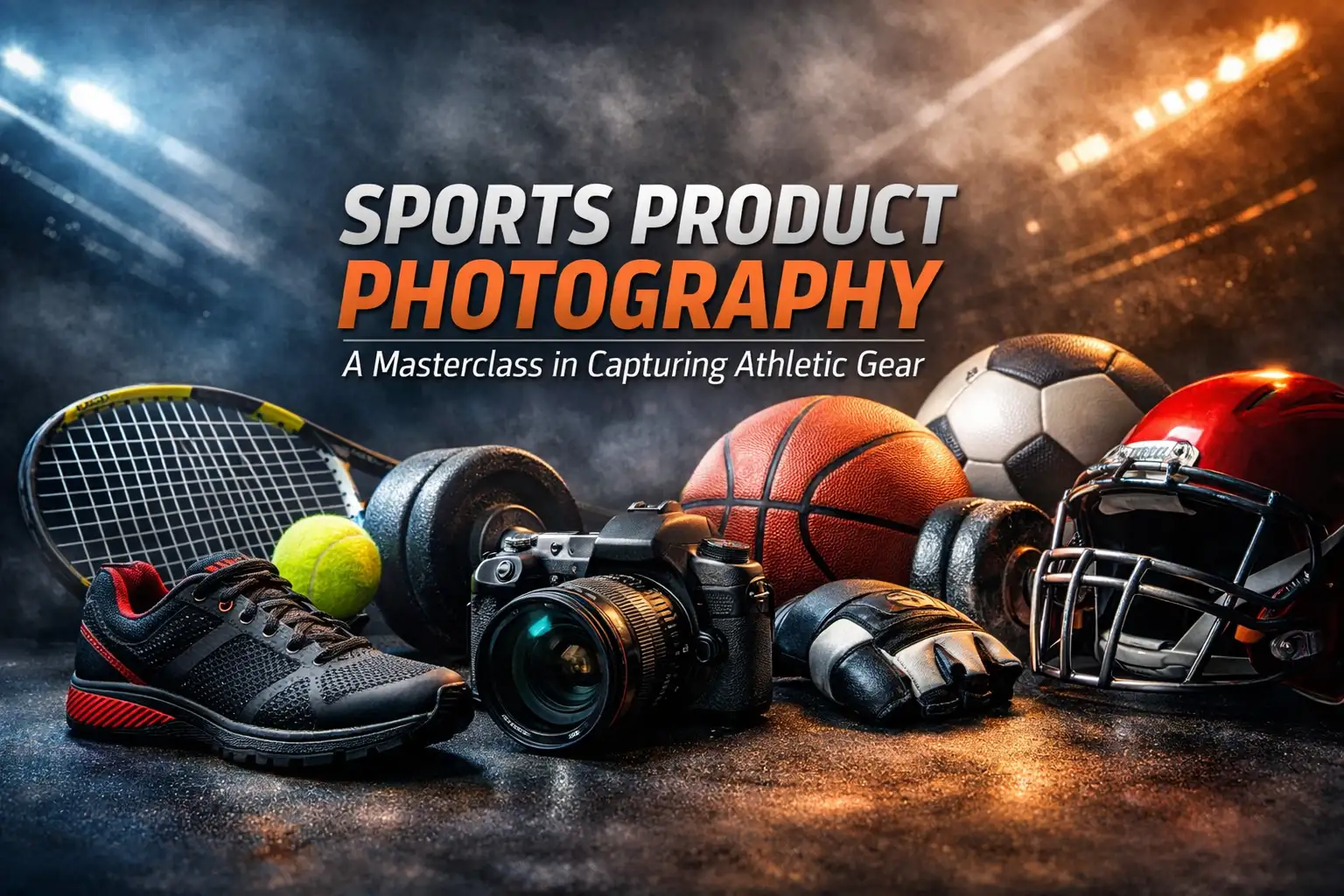

Sports product photography is more than just taking pictures of shoes, jerseys, or equipment. It is about telling a story of performance, energy, and movement through still images. As someone who has spent years behind the camera working with sports brands, athletes, and eCommerce businesses, I can confidently say that sports product photography sits at a unique intersection of creativity and technical precision. You are not only showcasing a product, you are communicating how it feels to use it, how it performs under pressure, and why it belongs in the hands of serious athletes.
In today’s digital-first world, sports brands live and die by visuals. Customers often make buying decisions without touching the product, relying entirely on images to judge quality, durability, and design. This makes sports product photography one of the most important tools for building trust and driving conversions. Whether the product is a football boot, yoga mat, cricket bat, or fitness wearable, the way it is photographed can dramatically change how it is perceived.
What makes sports product photography especially challenging and exciting is the balance between realism and drama. The images must be accurate and honest, but they also need to be powerful enough to stand out in a crowded market. Over the years, I have learned that great results come from understanding the product deeply, planning every detail, and executing with intention. In this masterclass-style guide, I will walk you through the core concepts, techniques, and mindset needed to create compelling sports product photography that truly connects with viewers.
Understanding the Purpose of Sports Product Photography
Before picking up a camera, it is crucial to understand why sports product photography exists. Unlike lifestyle photography, where emotion often takes the lead, sports product photography has a clear functional goal. It needs to highlight design details, materials, and performance features while still feeling dynamic and aspirational.
Sports brands want their products to look fast, strong, and reliable. Even when the product is sitting still, the image should suggest motion or potential energy. This is why lighting, angles, and composition matter so much. Every decision should support the idea that this product enhances athletic performance.
Another important aspect is audience awareness. Sports product photography for professional athletes looks different from photography aimed at beginners or casual fitness enthusiasts. A high-performance cycling helmet might be photographed with dramatic lighting and aggressive angles, while a home workout accessory may benefit from a cleaner, friendlier look. Knowing who you are speaking to helps shape the visual language of the shoot.
Preparing for a Successful Shoot
Preparation is the invisible foundation of great sports product photography. Many beginners focus only on camera settings, but the real work starts long before the shutter is pressed. Researching the product, its competitors, and its intended use will give you clarity and direction.
I always recommend physically handling the product before shooting. Feel its weight, notice textures, examine logos, and identify standout features. These details often become the hero elements in your images. For example, the grip pattern on a tennis racket or the stitching on a pair of running shoes can communicate quality better than any marketing copy.
Creating a simple visual plan also helps. This does not need to be complicated, but having a clear idea of whether the shoot will be studio-based or action-oriented saves time and reduces mistakes. In sports product photography, consistency is key, especially for brands that need images across websites, social media, and catalogs.
Lighting Techniques That Bring Products to Life
Lighting is one of the most powerful tools in sports product photography. The right lighting setup can make a product look premium, durable, and performance-ready. Poor lighting, on the other hand, can flatten details and make even the best gear look cheap.
For studio-based sports product photography, controlled lighting is essential. Softboxes and strip lights are often used to highlight contours and textures without creating harsh reflections. Directional light works particularly well for athletic gear because it adds depth and contrast, giving the product a sculpted appearance.
When photographing sports products in action, natural light can be your best ally. Early morning or late afternoon light adds drama and warmth, especially for outdoor sports like running, cycling, or football. However, consistency becomes more challenging, so planning and timing are critical. Mixing natural light with artificial sources requires experience, but when done correctly, it can elevate sports product photography to a cinematic level.
Composition and Angles That Communicate Performance
Composition plays a subtle but powerful role in how sports products are perceived. Strong diagonals, low angles, and close-up shots are commonly used because they suggest power and movement. A shoe photographed from a low angle often feels faster and more aggressive than one shot straight on.
In sports product photography, it is important to avoid clutter. Backgrounds should support the product, not compete with it. Simple gradients, textured surfaces, or relevant environments like gyms and tracks can add context without distraction. The goal is to guide the viewer’s eye directly to the product’s most important features.
I also encourage experimenting with perspective. Shooting slightly off-center or incorporating negative space can make images more dynamic. These techniques are especially effective for brands that want their sports product photography to stand out on crowded online platforms.
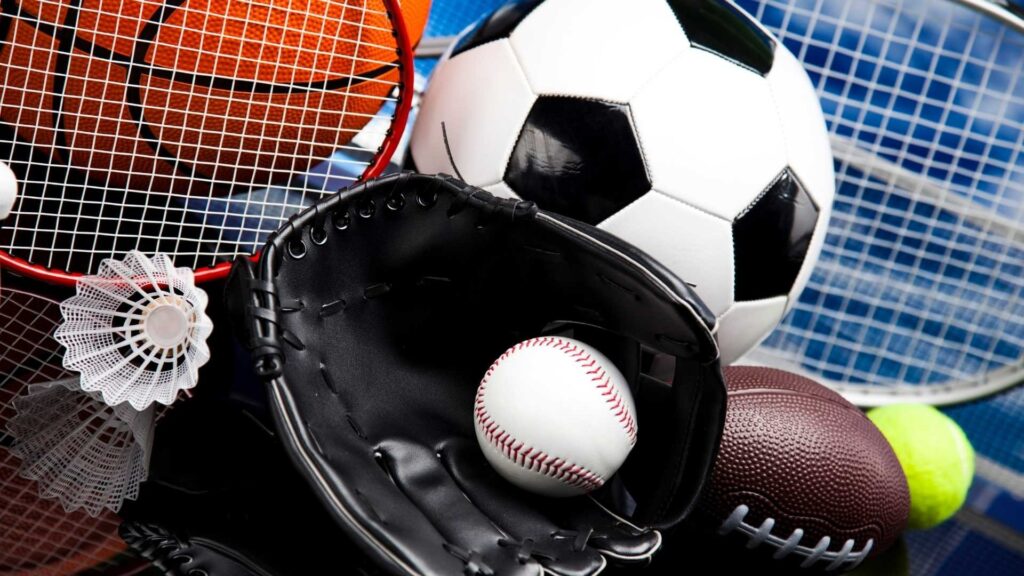
Styling and Props in Sports Product Photography
Styling is often overlooked, but it can significantly impact the final image. Clean, well-presented products are non-negotiable. Dust, fingerprints, or wrinkles are immediately noticeable in high-resolution sports product photography and can undermine professionalism.
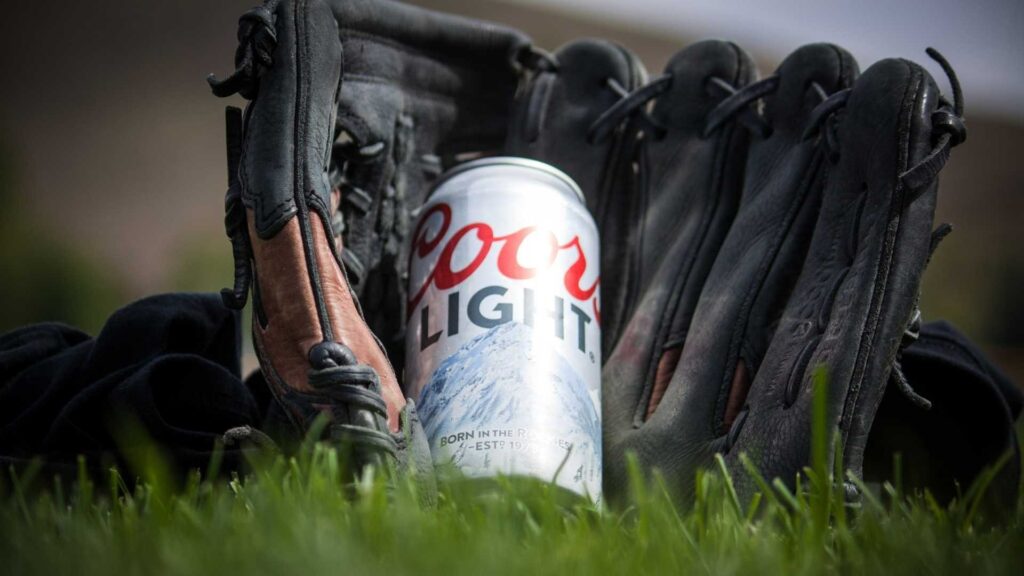
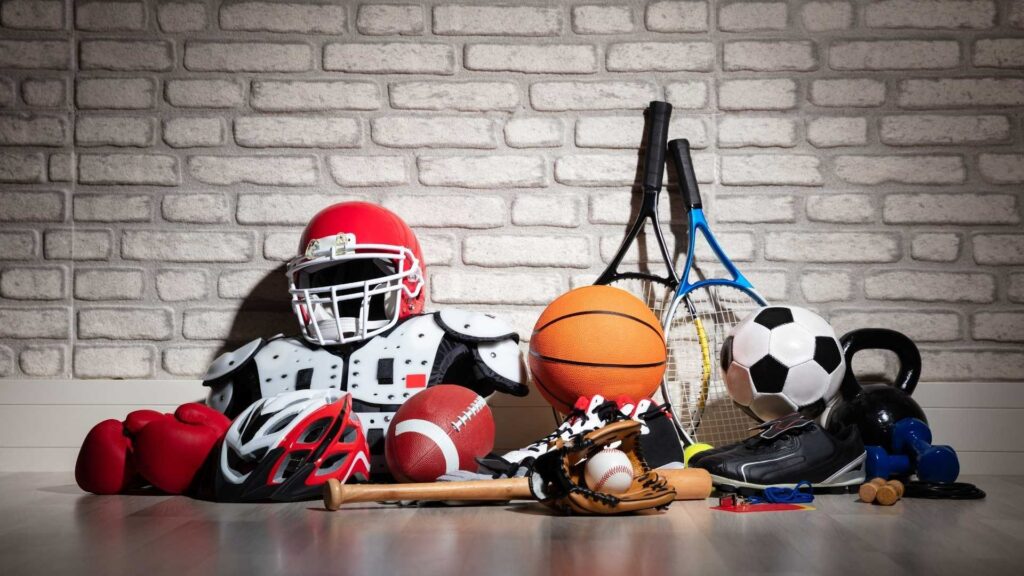
Props should be used thoughtfully. A basketball photographed with a hoop in the background instantly communicates its purpose. However, too many props can confuse the message. The product should always remain the hero of the image.
Color coordination is another important factor. Sports brands often have strong color identities, and your photography should respect that. Complementary colors can enhance the product, while clashing tones can distract the viewer. Years of experience have taught me that simplicity often produces the most impactful results.
Camera Settings and Technical Considerations
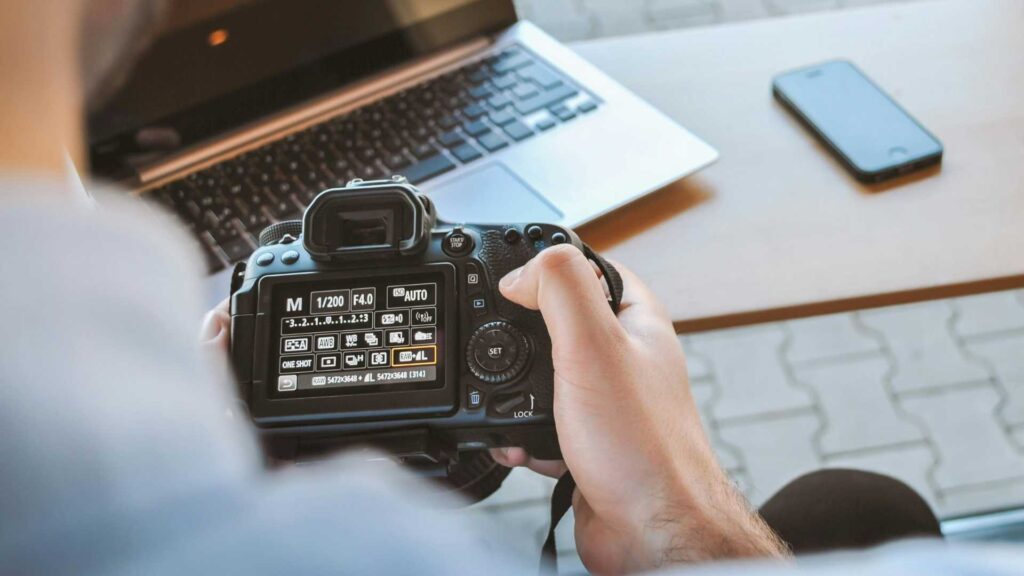
While creativity drives sports product photography, technical accuracy ensures consistency and quality. Sharpness is critical, especially for eCommerce use. Using a tripod and shooting at optimal apertures helps maintain clarity across the product.
Depth of field should be chosen carefully. A shallow depth of field can create a dramatic look, but important details must remain in focus. For catalog-style sports product photography, a deeper depth of field is often preferred to show the entire product clearly.
High-resolution images are essential for modern marketing needs. Brands may crop, zoom, or repurpose images across platforms, so capturing as much detail as possible gives them flexibility. Attention to white balance and color accuracy is equally important, as customers expect products to look the same online as they do in real life.
Post-Processing and Image Editing for Sports Products
Post-processing is where good sports product photography becomes great. Editing should enhance the image without making it look artificial. Color correction, contrast adjustments, and minor retouching help present the product in its best light.
One common mistake I see is over-editing. Sports products need to look real and trustworthy. Removing distractions, cleaning backgrounds, and sharpening details are acceptable, but altering the product’s shape or color can lead to customer dissatisfaction.
This is where professional image editing services play a vital role. Consistent editing across an entire product line builds brand credibility. For businesses that want polished results without managing everything in-house, outsourcing editing can save time and ensure a professional finish.
Sports Product Photography for eCommerce and Branding
The rise of online shopping has made sports product photography more important than ever. Customers rely on images to answer questions about fit, texture, and usability. Multiple angles, close-ups, and context shots help reduce uncertainty and increase confidence.
For branding purposes, sports product photography goes beyond simple documentation. It becomes part of the brand story. Consistent lighting, styling, and editing create a recognizable visual identity that customers associate with quality and performance.
Common Mistakes to Avoid
Even experienced photographers can fall into common traps. One mistake is focusing too much on artistic flair and forgetting the product’s purpose. Sports product photography should always prioritize clarity and functionality.
Another issue is inconsistency. Using different lighting styles or editing approaches across a product range can confuse customers. Planning and standardization help avoid this problem.
Finally, neglecting post-production quality can undermine all the hard work done during the shoot. Clean, well-edited images are essential for maintaining professionalism and trust.
The Future of Sports Product Photography
Sports product photography continues to evolve as technology and consumer expectations change. Motion blur effects, composite images, and 3D integration are becoming more common. However, the core principles remain the same: authenticity, clarity, and storytelling.
As brands compete for attention, the demand for high-quality visuals will only grow. Photographers who understand both the technical and emotional aspects of sports product photography will be best positioned to succeed.
From my years of experience, I can confidently say that investing time and effort into mastering sports product photography pays off. It builds credibility, strengthens brand identity, and ultimately drives sales.
Final Thoughts and Promotion
Sports product photography is not just about taking pictures, it is about creating trust through visuals. When done correctly, it bridges the gap between the product and the athlete, even before the first purchase is made.
If you are a brand, retailer, or photographer looking to elevate your sports product photography, professional image editing can make a significant difference. At Image Work India, we specialize in high-quality image editing services designed to enhance product photos while maintaining realism and brand consistency. Visit www.imageworkindia.com to learn how our image editing services can help your sports products stand out and perform better in today’s competitive digital marketplace.