
If you’ve ever stood on the sidelines of a football match or tried to capture a sprinter at full speed, you already know that sports photography is fast, unpredictable, and incredibly exciting. But it can also be frustrating-especially if you’re using the wrong lens. One of the most common questions I get as a professional photographer is this: What Size Lens for Sports Photography is actually best?
It’s a simple question, but the answer depends on many factors. The type of sport, how close you are to the action, the lighting conditions, and even your camera body all play a role. Over the years, I’ve shot everything from local school tournaments to professional league matches. Through experience (and plenty of mistakes), I’ve learned that choosing the right lens size can make or break your sports shots.
In this ultimate guide, I’ll walk you through everything you need to know about What Size Lens for Sports Photography. We’ll cover focal length, aperture, zoom vs prime lenses, indoor vs outdoor sports, and practical recommendations.
Let’s dive in.
Understanding What “Lens Size” Really Means in Sports Photography
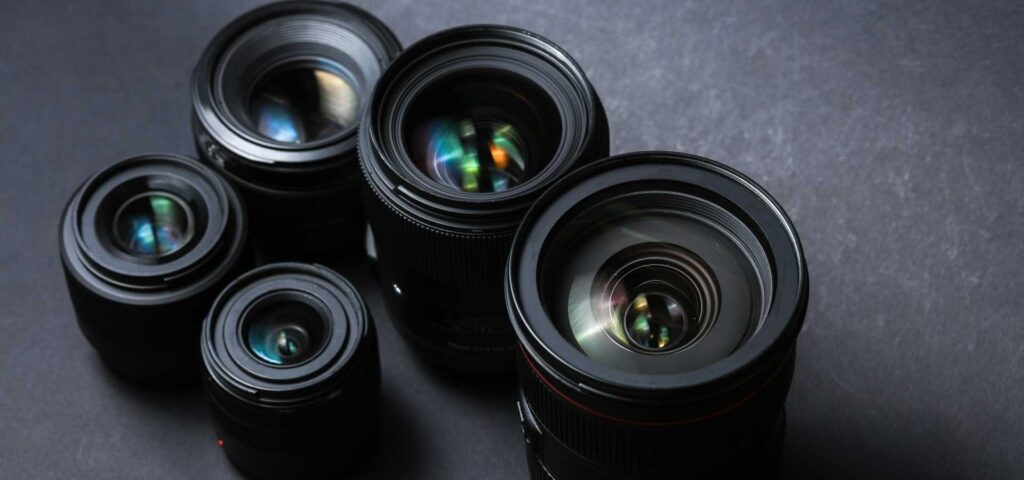
When people ask, “What Size Lens for Sports Photography?”, they usually mean focal length. Lens size in photography refers to the focal length measured in millimeters (mm). The higher the number, the more zoomed-in your image will be.
For example, a 24mm lens captures a wide view. A 200mm lens brings distant subjects much closer. In sports photography, we often need to photograph players who are far away from us, so longer focal lengths are usually required.
But focal length isn’t the only factor. Aperture (like f/2.8 or f/4) also plays a big role. A wider aperture lets in more light and helps freeze motion. That’s why professional sports photographers often use fast telephoto lenses.
So when you think about What Size Lens for Sports Photography, you should think about two things: how far you are from the action and how much light you have.
Why Telephoto Lenses Are Essential for Sports Photography
In most sports, you can’t stand right next to the players. There are boundaries, safety zones, and restrictions. That’s where telephoto lenses come in.
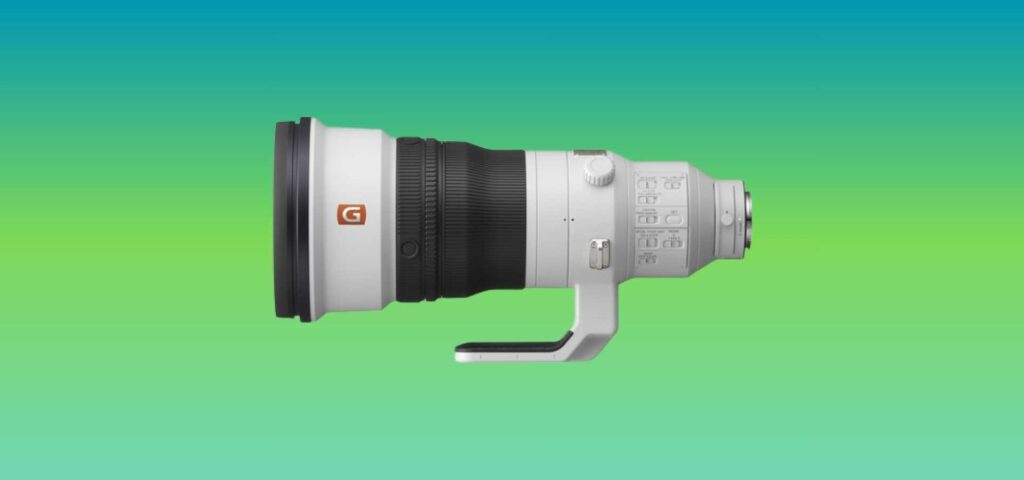
A telephoto lens usually starts around 70mm and can go up to 400mm, 500mm, or even 600mm. These lenses allow you to capture tight shots of athletes even if they’re far away.
If you’re wondering again, What Size Lens for Sports Photography works best for outdoor field sports like football or cricket, the answer is usually between 200mm and 400mm. These focal lengths give you reach without sacrificing too much flexibility.
Personally, I’ve used a 70-200mm f/2.8 lens for many events. It’s incredibly versatile. But when I shoot large stadium games, I often switch to a 300mm or 400mm lens to get those dramatic close-up action shots.
The Best Lens Size for Outdoor Sports
Outdoor sports usually offer better lighting, which gives you more flexibility in lens choice. However, the fields are often large, meaning you’ll need a longer focal length.
For sports like football, rugby, baseball, or athletics, lenses in the 200mm to 400mm range are ideal. A 70-200mm lens works well if you’re close to the action. But if you’re shooting from the stands or sidelines, 300mm or 400mm gives you better reach.
So, if you’re searching online for What Size Lens for Sports Photography for outdoor games, here’s a simple guideline. If you’re close to the players, 70-200mm is great. If you’re farther away, go for 300mm or longer.
A 400mm lens allows you to isolate a single player, blur the background beautifully, and create those professional magazine-style images.
The Right Lens Size for Indoor Sports
Indoor sports present a different challenge. The lighting is often poor, and flash photography is usually not allowed. That means you need a lens that can handle low light.
In this case, aperture becomes just as important as focal length. You’ll want a lens with a wide aperture like f/2.8 or even f/1.8.
When people ask me, What Size Lens for Sports Photography is best for indoor games like basketball or volleyball, I usually recommend a 70-200mm f/2.8 lens. It gives enough zoom and performs well in low light.
If you’re very close to the court, even an 85mm or 135mm prime lens can work beautifully. These lenses are sharp and fast, making them perfect for freezing action in dim environments.
The key is balancing reach and light. Indoors, you don’t always need 400mm, but you definitely need a wide aperture.
Zoom Lenses vs Prime Lenses for Sports
Another part of answering What Size Lens for Sports Photography involves choosing between zoom and prime lenses.
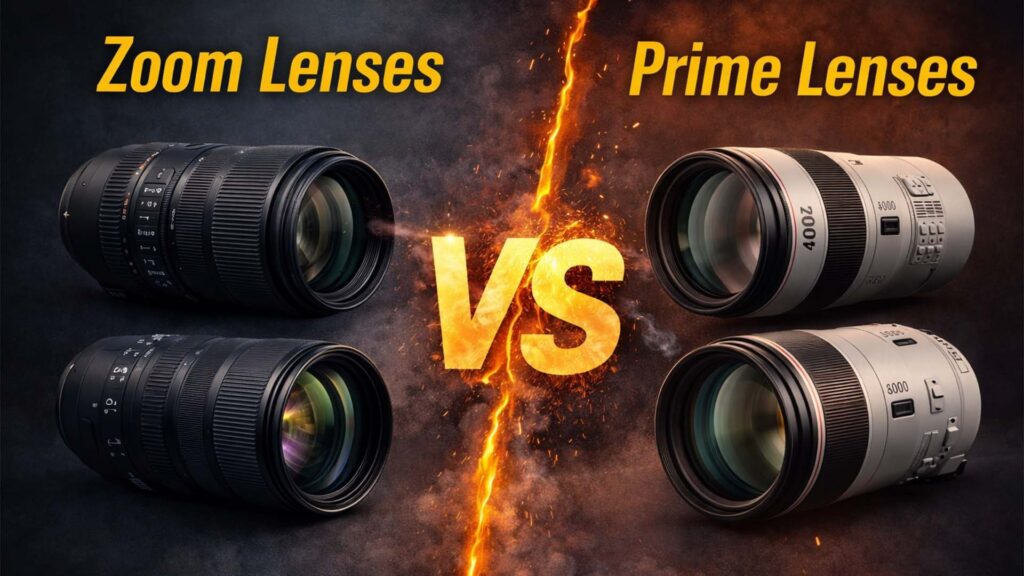
Zoom lenses, like 70-200mm or 100-400mm, allow you to adjust your framing quickly. This flexibility is incredibly valuable in sports because the action changes rapidly. You can’t always move your feet, so zooming helps you adapt instantly.
Prime lenses, like 300mm f/2.8, offer amazing sharpness and wider apertures. Many professional sports photographers prefer prime lenses for their superior image quality and subject isolation.
However, primes are heavier and more expensive. If you’re just starting out, a good telephoto zoom lens is usually the better choice.
In my experience, zoom lenses offer more versatility, especially for beginners learning what size lens for sports photography fits their shooting style.
Crop Sensor vs Full Frame: Does It Change Lens Size?
Yes, it does.
If you’re using a crop sensor camera, your lens will appear more “zoomed in” because of the crop factor. For example, a 200mm lens on a crop sensor camera might look like a 300mm lens on a full-frame camera.
This can be an advantage in sports photography. If you’re wondering What Size Lens for Sports Photography on a crop sensor body, you may not need extremely long lenses. A 70-200mm lens on a crop sensor camera can feel like a much longer lens.
On a full-frame camera, you’ll get a wider field of view, so you might need 300mm or 400mm for the same reach.
Understanding your camera body helps you choose the right focal length more confidently.
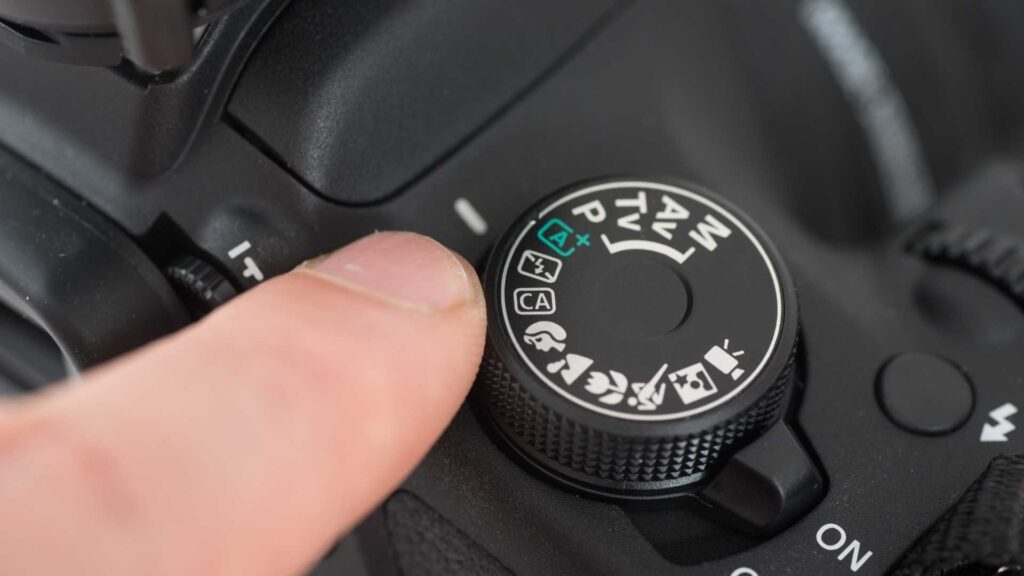
Aperture: The Hidden Secret Behind Sharp Sports Photos
When discussing What Size Lens for Sports Photography, many beginners focus only on focal length. But aperture is equally important.
Sports move fast. To freeze motion, you need a fast shutter speed. To achieve that, your lens must allow plenty of light in. That’s why f/2.8 lenses are so popular among sports photographers.
A lens with f/5.6 may struggle in low light, forcing you to raise ISO and introduce noise. A lens with f/2.8 performs much better in challenging conditions.
Wide apertures also create a shallow depth of field, which helps separate the athlete from a busy background. This makes your images look more professional and impactful.
Budget-Friendly Options for Beginners
Not everyone can afford a 400mm f/2.8 lens. They are expensive and heavy. The good news is that you can still capture amazing sports photos on a budget.
If you’re researching What Size Lens for Sports Photography as a beginner, consider a 70-300mm lens. It’s affordable and offers good reach for outdoor sports in bright light.
While it may not perform as well in low light, it’s a great starting point. As you grow and take on more serious assignments, you can upgrade to faster lenses.
The most important thing is to start practicing. Gear helps, but timing and positioning matter just as much.
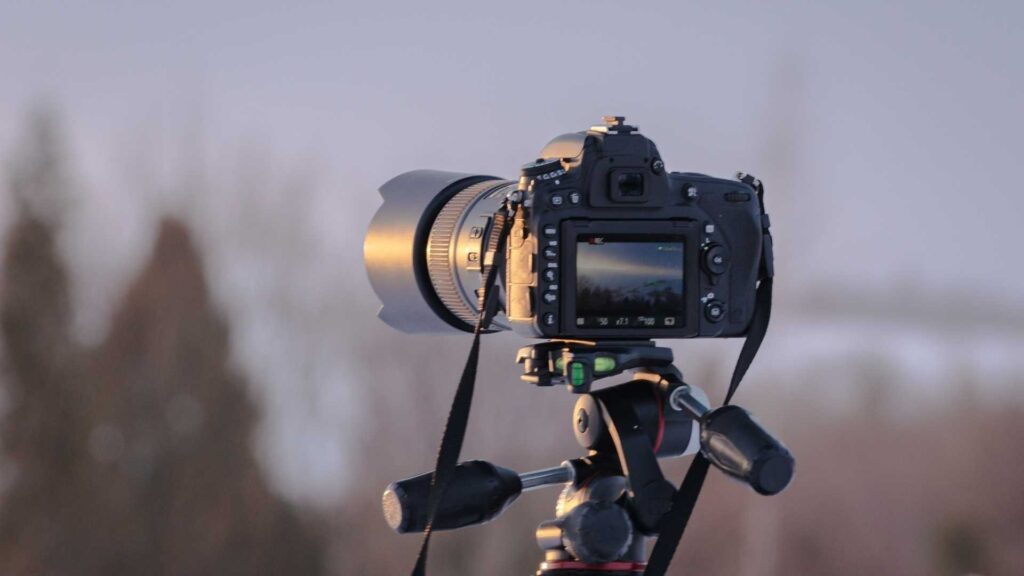
Positioning Matters as Much as Lens Size
Even with the perfect answer to What Size Lens for Sports Photography, your position on the field can dramatically affect your results.
If you’re closer to the goalpost in football, a 70-200mm lens might be enough. If you’re near the halfway line, you’ll want something longer.
Professional photographers constantly adjust their position during games. They anticipate action and move accordingly. Lens size works hand-in-hand with positioning.
Post-Processing: Turning Good Shots into Great Ones
After capturing fast-moving sports images, editing becomes crucial. Even with the perfect lens, sports photos often need adjustments in sharpness, color, exposure, and cropping.
This is where professional editing services can save time and improve quality. At Image Work India, we specialize in high-end Image Editing Service for photographers around the world. Whether you need background cleanup, color correction, or sharpening, professional editing enhances your final results.
Even the best sports photographers rely on editing to polish their images before publication.
Final Thoughts: Choosing the Right Lens with Confidence
By now, you should have a clear understanding of What Size Lens for Sports Photography works in different situations. There isn’t one single perfect answer. It depends on the sport, your distance, lighting, and camera type.
For most outdoor sports, 200mm to 400mm is ideal. For indoor sports, 70-200mm f/2.8 is often perfect. Beginners can start with 70-300mm lenses and upgrade later.
The key is understanding your shooting environment and investing in a lens that matches your needs.
Sports photography is thrilling. It challenges your reflexes, creativity, and technical skills. When you choose the right lens size, everything becomes easier. You capture sharper action, stronger emotion, and more professional results.
If you’re a sports photographer looking to elevate your final images, remember that editing is just as important as shooting. At Image Work India, we provide a professional Image Editing Service tailored to photographers who want stunning, publication-ready images. Let us help you turn your action shots into masterpieces.
Now that you understand What Size Lens for Sports Photography, grab your camera, head to the field, and start capturing the action like a pro.