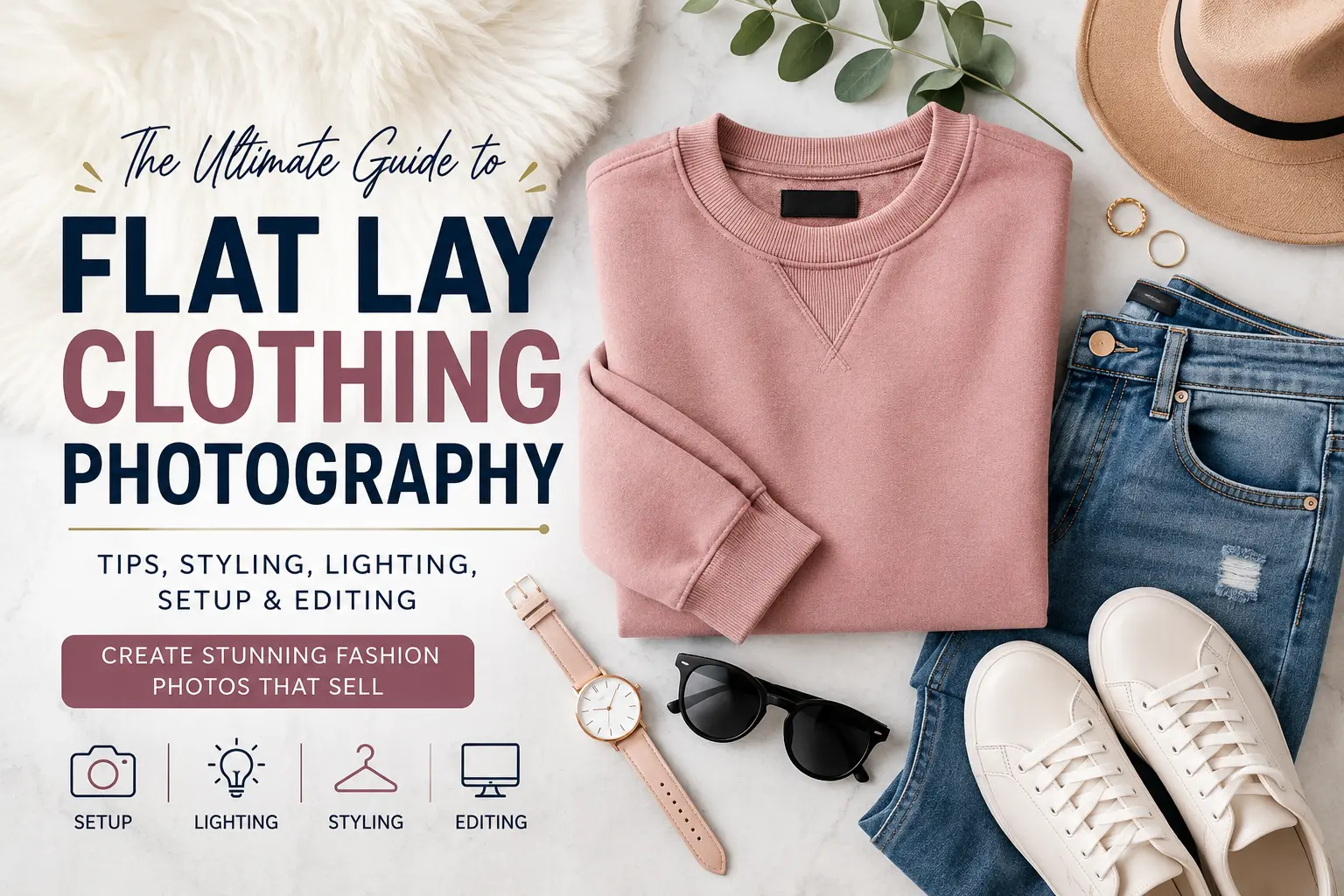

Flat Lay Clothing Photography is one of the most effective ways to showcase apparel online. Whether you sell clothing through an eCommerce store, social media shop, fashion marketplace, or your own brand website, the quality of your images can directly influence customer engagement and sales.
Over the years, we have worked with thousands of clothing images, and one thing remains true: great photography helps products stand out. Among all apparel photography styles, Flat Lay Clothing Photography continues to be one of the most popular because it is affordable, versatile, and visually appealing.
If you have ever scrolled through a fashion brand’s Instagram feed or browsed an online clothing store, you have likely seen flat lay images without even realizing it. This photography style presents clothing items arranged neatly on a flat surface and photographed from directly above. The result is clean, organized, and highly attractive imagery that allows customers to focus on the products.
The best part is that Flat Lay Clothing Photography does not require a massive studio or expensive equipment. With proper planning, lighting, styling, and editing, you can create professional-quality images that attract attention and help customers make buying decisions.
In this guide, we will walk through everything you need to know about Flat Lay Clothing Photography, from preparation and equipment to styling, lighting, shooting techniques, and post-production. Whether you are a beginner or an experienced photographer looking to improve your workflow, this guide will help you achieve better results.
What Is Flat Lay Clothing Photography?
Flat Lay Clothing Photography is a photography technique where garments and fashion accessories are arranged on a flat surface and photographed from above. Instead of using models or mannequins, the clothing itself becomes the focus of the image.
This method works exceptionally well for t-shirts, jeans, dresses, sweaters, jackets, activewear, children’s clothing, and fashion accessories. Brands use flat lay photography because it creates a clean presentation while maintaining consistency across large product catalogs.
One reason Flat Lay Clothing Photography has become so popular is its simplicity. Customers can easily see the shape, color, texture, and details of a garment without distractions. The layout also provides opportunities for creative styling by incorporating accessories, shoes, jewelry, bags, and other complementary items.
For online stores, consistency is critical. Flat lay photography makes it easier to maintain a uniform appearance across product pages, creating a professional shopping experience.
Why Flat Lay Clothing Photography Matters for Fashion Brands
Modern shoppers rely heavily on product images. Since customers cannot physically touch or try on clothing when shopping online, photographs become their primary source of information.
High-quality Flat Lay Clothing Photography helps shoppers understand garment details, fit characteristics, textures, patterns, and overall design. Better visual communication often leads to greater trust and increased conversion rates.
Another major advantage is versatility. Flat lay images can be used across multiple marketing channels including websites, social media platforms, email campaigns, digital advertisements, lookbooks, and printed catalogs.
When executed properly, Flat Lay Clothing Photography also helps establish brand identity. Minimalist brands may prefer clean white backgrounds, while lifestyle-focused brands may incorporate props and textures that tell a story.
The style you choose can influence how customers perceive your products and brand values.
Essential Equipment for Flat Lay Clothing Photography
One common misconception is that Flat Lay Clothing Photography requires expensive gear. While professional equipment can certainly improve efficiency, excellent results can be achieved with relatively simple tools.
The camera is obviously important. DSLR cameras and mirrorless cameras provide excellent image quality, but even modern smartphones can produce impressive results when used correctly.
A sturdy tripod is one of the most valuable investments. Because flat lay images are photographed from directly above, maintaining consistent framing can be challenging without proper support. An overhead tripod setup allows you to keep your camera stable and perfectly aligned.
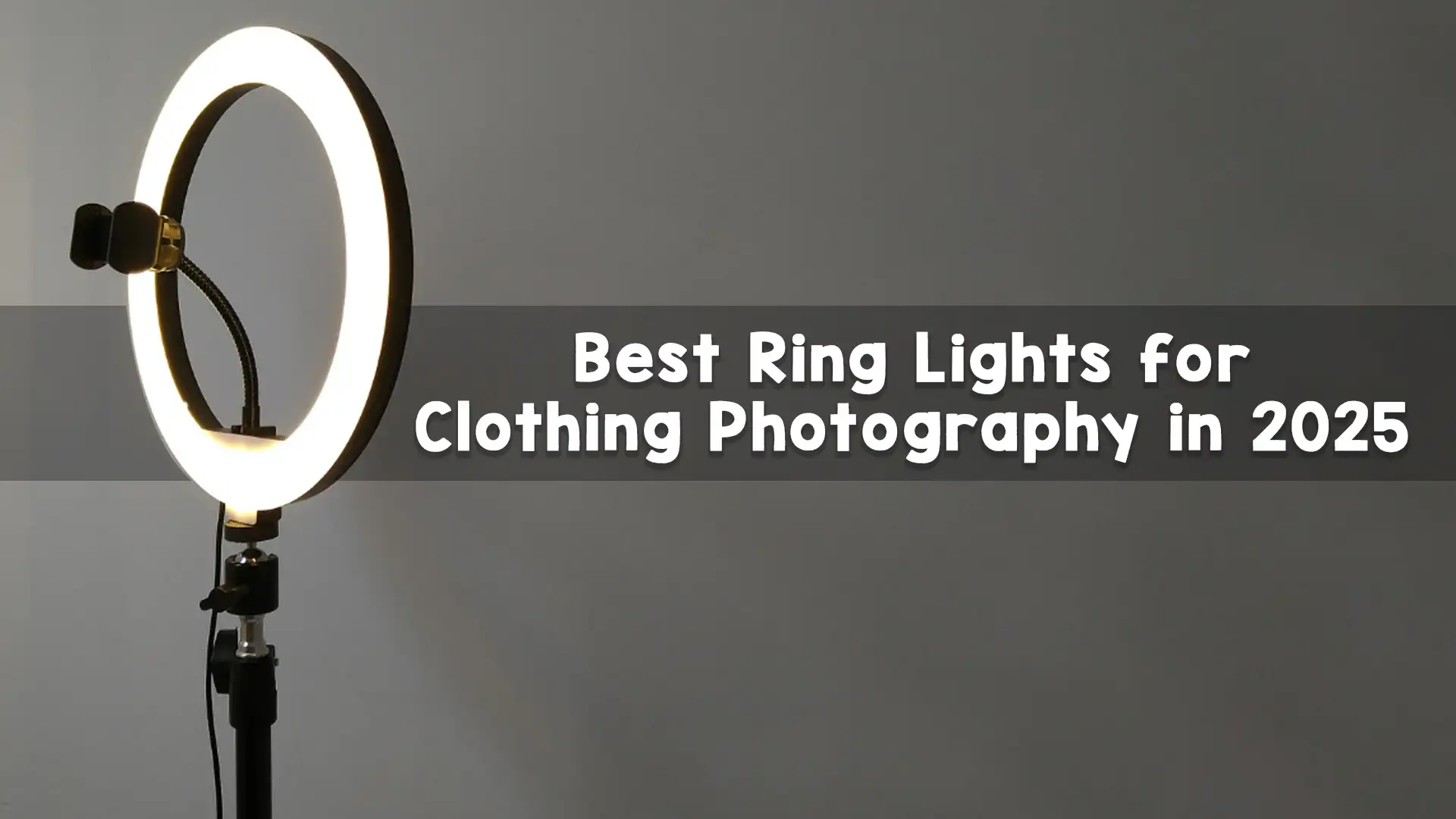
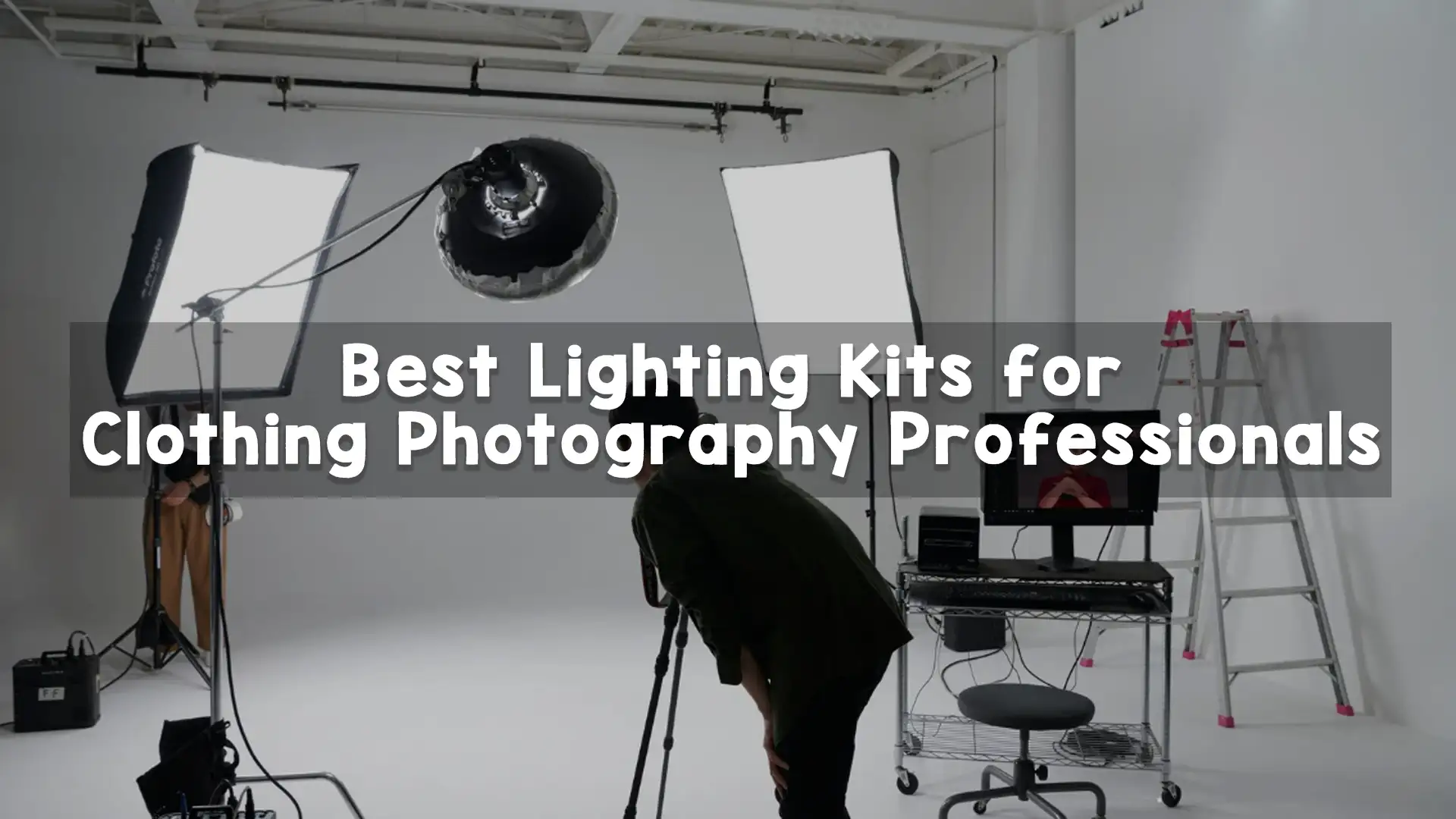
Lighting equipment is equally important. Natural window light can work well for beginners, but studio lighting offers greater control and consistency. Softboxes, LED panels, and diffused lighting systems help create even illumination across the entire garment.
Background materials are another essential component. White foam boards, vinyl backdrops, textured surfaces, wooden panels, fabric backgrounds, and seamless paper rolls are commonly used depending on the desired aesthetic.
Small styling tools such as clips, pins, tape, lint rollers, steamers, and fabric brushes can significantly improve the final appearance of clothing items.
Preparing Clothing Before the Shoot
Preparation is often overlooked, yet it plays a major role in successful Flat Lay Clothing Photography.
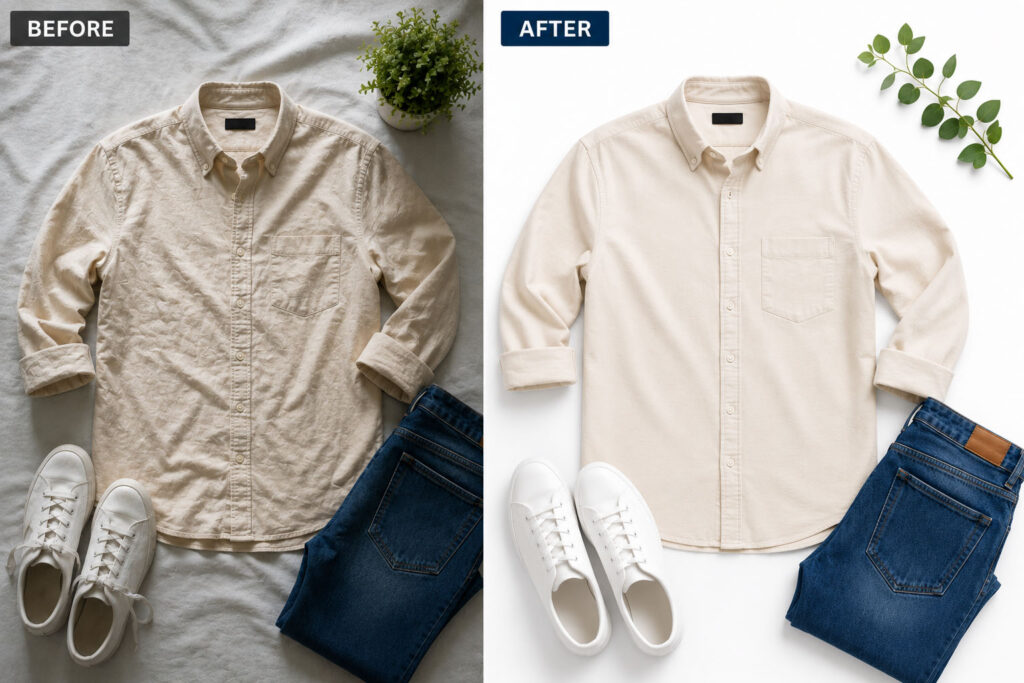
Before placing any garment on the shooting surface, carefully inspect it for wrinkles, stains, loose threads, dust, or lint. Even minor imperfections can become highly visible in high-resolution photographs.
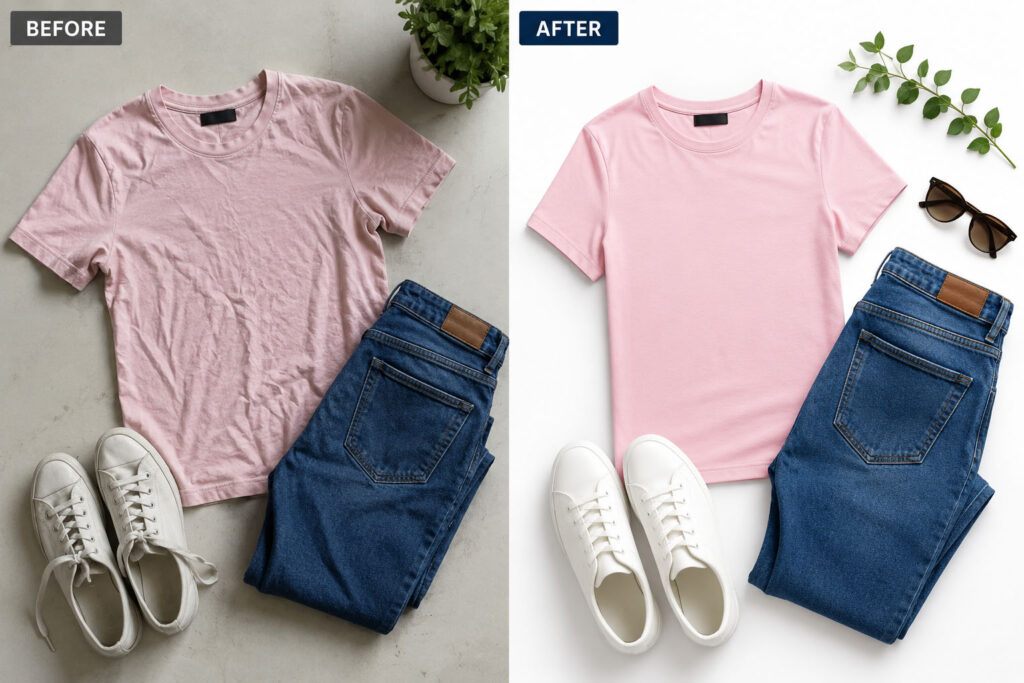
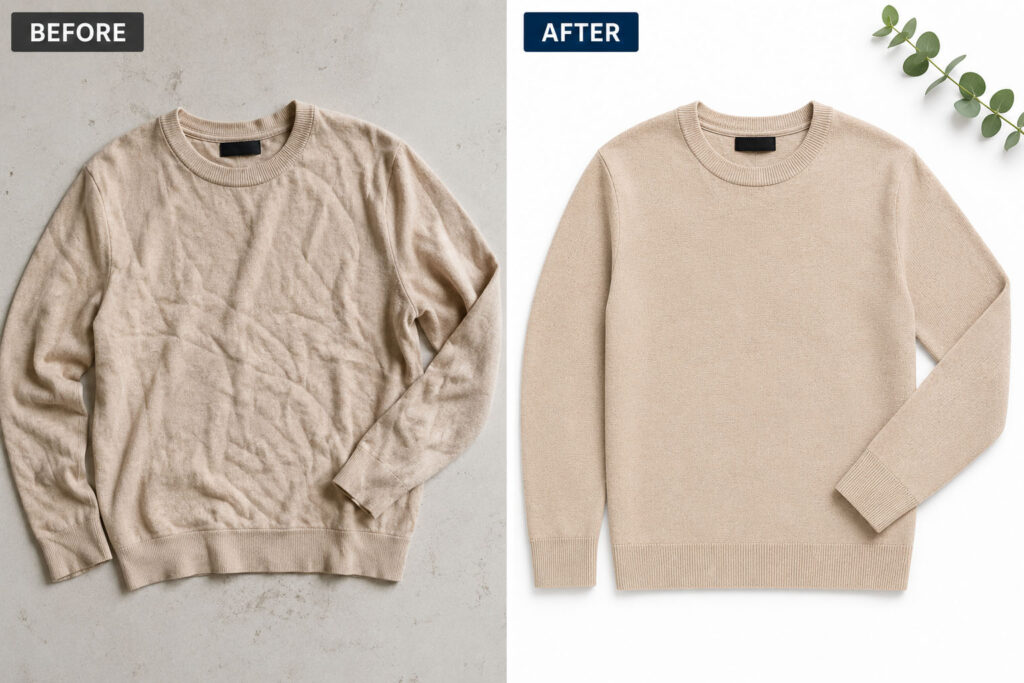
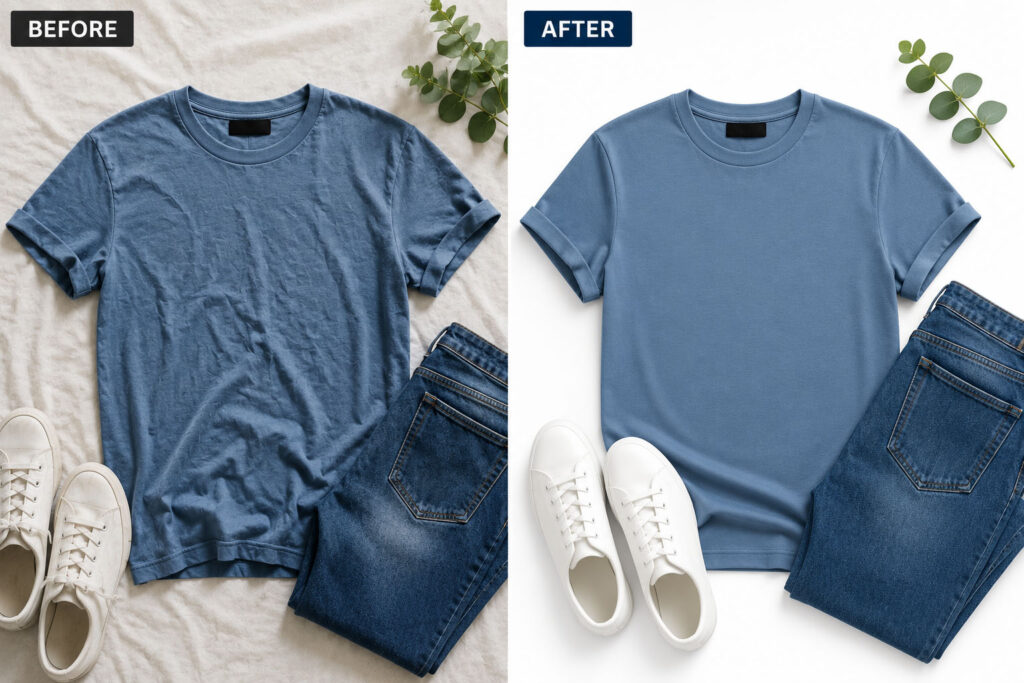
Steaming clothing is one of the most important preparation steps. Wrinkles can make products appear unprofessional and lower perceived quality. A garment steamer quickly removes creases while preserving fabric texture.
Proper folding and shaping also matter. Clothing should look natural while maintaining a clean presentation. The goal is to highlight the garment’s design without making it appear stiff or artificial.
Pay close attention to collars, cuffs, sleeves, pockets, zippers, and buttons. These elements should be positioned carefully because they contribute significantly to the overall visual appeal.
For eCommerce photography, consistency is crucial. Similar garments should be styled in a similar manner to create a cohesive catalog appearance.
Choosing the Perfect Background
The background serves as the foundation of every Flat Lay Clothing Photography setup.
White backgrounds remain the most popular choice for eCommerce because they create a clean and distraction-free presentation. Many online marketplaces actually require white backgrounds for product listings.
However, not every flat lay image needs to be completely white. Lifestyle brands often use textured surfaces to create visual interest and reinforce brand personality.
Wooden backgrounds can add warmth and authenticity. Marble surfaces create a luxurious and sophisticated appearance. Fabric backdrops provide softness and elegance. Concrete textures can produce a modern and industrial aesthetic.
The key is ensuring the background complements the clothing rather than competing for attention.
When selecting a background, consider your target audience, brand identity, and intended use of the images. Consistency across your photography helps strengthen brand recognition.
How to Style a Flat Lay Clothing Arrangement
Styling is where Flat Lay Clothing Photography becomes both technical and creative.
The simplest approach involves photographing a single garment. This works particularly well for online stores focused on product clarity.
However, adding complementary pieces can transform an image into a complete fashion story. A shirt paired with jeans, shoes, sunglasses, and accessories creates a lifestyle-inspired presentation that helps customers imagine wearing the outfit.
Balance is extremely important. Avoid overcrowding the frame with too many elements. Every item included should serve a purpose and contribute to the visual narrative.
Symmetry often works well in flat lay compositions because it creates order and harmony. However, asymmetrical layouts can add energy and visual interest when executed thoughtfully.
Color coordination also plays a major role. Complementary colors create contrast, while similar color palettes produce a cohesive and elegant appearance.
When styling Flat Lay Clothing Photography, we always recommend focusing on the clothing first. Accessories should support the main product rather than distract from it.
Understanding Lighting in Flat Lay Clothing Photography
Lighting can make or break a photograph.
Natural light is an excellent option for beginners because it is free and often produces soft, flattering results. Position your setup near a large window and use diffusers if sunlight becomes too harsh.
The challenge with natural light is consistency. Weather changes, cloud cover, and time of day can affect image quality.
Professional photographers often prefer artificial lighting because it provides complete control. Softboxes positioned on both sides of the setup help eliminate shadows and create even illumination.
The goal is to reveal fabric texture, colors, and garment details while minimizing harsh shadows and unwanted reflections.
Regardless of the lighting source, consistency remains one of the most important principles in Flat Lay Clothing Photography. Maintaining similar lighting across all product images creates a professional and trustworthy shopping experience.
Camera Settings for Better Flat Lay Clothing Photography
Once your clothing is prepared, styled, and properly lit, the next step is capturing the image. Camera settings play a major role in producing sharp, professional-looking photographs.
For Flat Lay Clothing Photography, we generally recommend using a low ISO whenever possible. A lower ISO helps reduce digital noise and preserves image quality. If you are using studio lights or shooting near a bright window, keeping the ISO between 100 and 200 usually works well.
Aperture is another important setting. Since clothing items are flat and spread across the frame, photographers often use an aperture between f/5.6 and f/11. This provides enough depth of field to keep the entire garment sharp from edge to edge.
Shutter speed will depend on your lighting conditions. If your camera is mounted securely on a tripod, you can use slower shutter speeds without introducing camera shake.
If you shoot in manual mode, take a few test images and evaluate the exposure before photographing an entire collection. Small adjustments early in the process can save significant editing time later.
For smartphone photography, many modern devices offer professional camera controls. Features such as exposure compensation, focus locking, and RAW image capture can help you achieve more professional results.
Positioning the Camera Correctly
One of the defining characteristics of Flat Lay Clothing Photography is the overhead angle.
The camera should be positioned directly above the clothing item. Even a slight tilt can distort proportions and create an uneven appearance.
An overhead tripod arm is often the easiest way to maintain consistency. If you do not have specialized equipment, a standard tripod combined with a horizontal extension arm can also work well.
Maintaining the same camera height throughout a shoot is important when photographing multiple products. Consistent framing creates a polished and professional catalog appearance.
We often see beginners moving the camera slightly between shots without realizing it. These small variations become obvious when product images are displayed side by side on an eCommerce website.
Using floor markers or measuring the distance between the camera and shooting surface can help maintain consistency.
Creating Visual Balance in Your Composition
Composition is one of the most powerful elements of Flat Lay Clothing Photography.
A strong composition guides the viewer’s eye naturally through the image and highlights the most important details.
Centering the garment is often the safest approach for eCommerce photography because it emphasizes the product and creates visual balance.
However, lifestyle-oriented flat lays often benefit from more creative compositions. Positioning clothing slightly off-center and incorporating supporting elements can create a more dynamic visual experience.
Negative space is especially important. Empty areas around the garment help prevent the image from feeling cluttered and allow the product to breathe.
Pay attention to edges and corners as well. Avoid cutting off important parts of the clothing unless it is an intentional creative decision.
Every element within the frame should contribute to the overall story and aesthetic.
Using Props Effectively
Props can elevate Flat Lay Clothing Photography when used thoughtfully.
Fashion accessories naturally complement clothing items and help create context. Shoes, bags, sunglasses, hats, jewelry, belts, and watches are commonly used in flat lay compositions.
Seasonal props can also help communicate a theme. For example, sunglasses and beach accessories may support summer clothing collections, while scarves and boots may enhance winter fashion imagery.
The key is moderation.
One of the most common mistakes we see is the overuse of props. Too many elements can distract viewers from the clothing itself.
Remember that the garment is always the hero of the image. Props should support the story rather than dominate the frame.
When selecting props, consider your target audience and brand personality. A luxury fashion brand may use elegant accessories and minimal styling, while a casual lifestyle brand may embrace a more relaxed and playful approach.
Flat Lay Clothing Photography for eCommerce Stores
Flat Lay Clothing Photography is especially valuable for eCommerce businesses.
Online shoppers depend heavily on product images to make purchasing decisions. Clear and detailed photography helps reduce uncertainty and improves customer confidence.
For product listings, consistency should always take priority over creativity.
Use the same background, lighting setup, camera angle, image dimensions, and editing style throughout your catalog. This creates a professional appearance and strengthens brand credibility.
Photographing multiple angles can also improve the shopping experience. In addition to the main flat lay image, consider capturing close-up shots of fabric textures, stitching, buttons, pockets, logos, and other important details.
The more information customers can gather from your images, the more likely they are to trust your products.
Flat Lay Clothing Photography for Social Media
While eCommerce photography focuses primarily on clarity, social media photography often emphasizes creativity and engagement.
Platforms such as Instagram, Pinterest, Facebook, and TikTok are highly visual environments where eye-catching imagery can significantly increase visibility.
For social media content, Flat Lay Clothing Photography can become more lifestyle-oriented.
You may experiment with creative backgrounds, interesting color palettes, seasonal themes, and storytelling elements. Flat lay arrangements that showcase complete outfits often perform particularly well because they inspire viewers and provide styling ideas.
Consistency remains important, but social media generally allows for more creative flexibility than traditional product catalogs.
Many successful fashion brands use a mix of clean product photography and styled flat lay content to maintain both professionalism and engagement.
Common Flat Lay Clothing Photography Mistakes
Even experienced photographers occasionally make mistakes.
One of the most common issues is uneven lighting. Harsh shadows or bright hotspots can distract viewers and make garments appear less appealing.
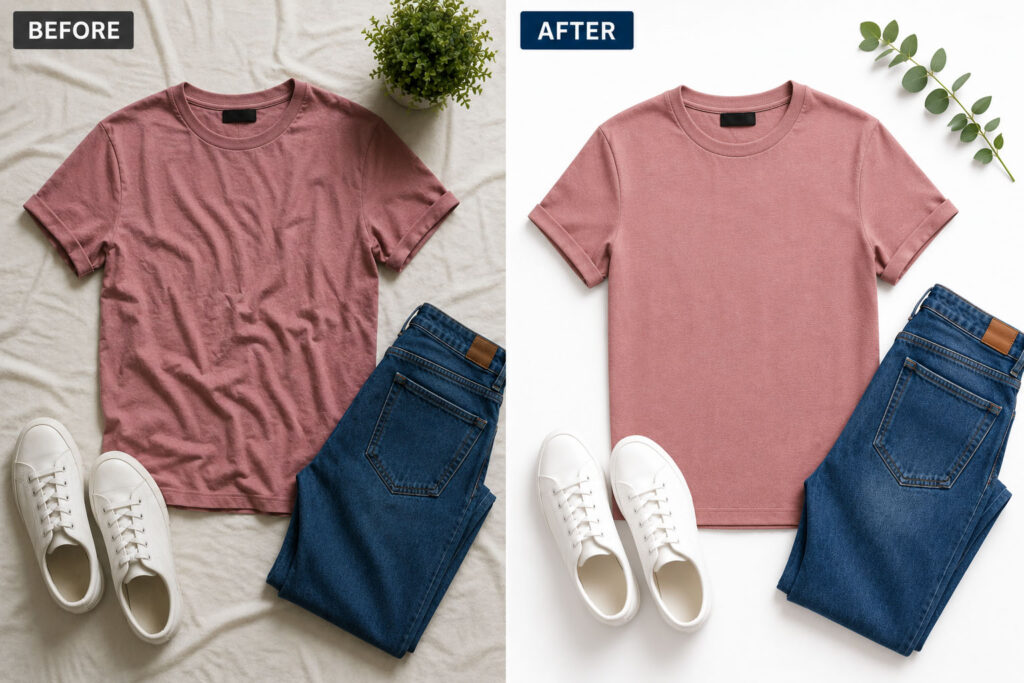
Another frequent mistake is poor garment preparation. Wrinkles, lint, dust, and loose threads can reduce the perceived quality of a product.
Cluttered compositions are also problematic. Including too many props or styling elements can overwhelm the image and confuse viewers.
Inconsistent image dimensions and framing can create an unprofessional appearance across an online store.
Color inaccuracies represent another challenge. If product colors do not match real-life garments, customers may feel disappointed when their orders arrive.
Proper white balance settings and careful editing help ensure accurate color representation.
Finally, many photographers underestimate the importance of post-production. Even well-captured images often require adjustments before they are ready for publication.
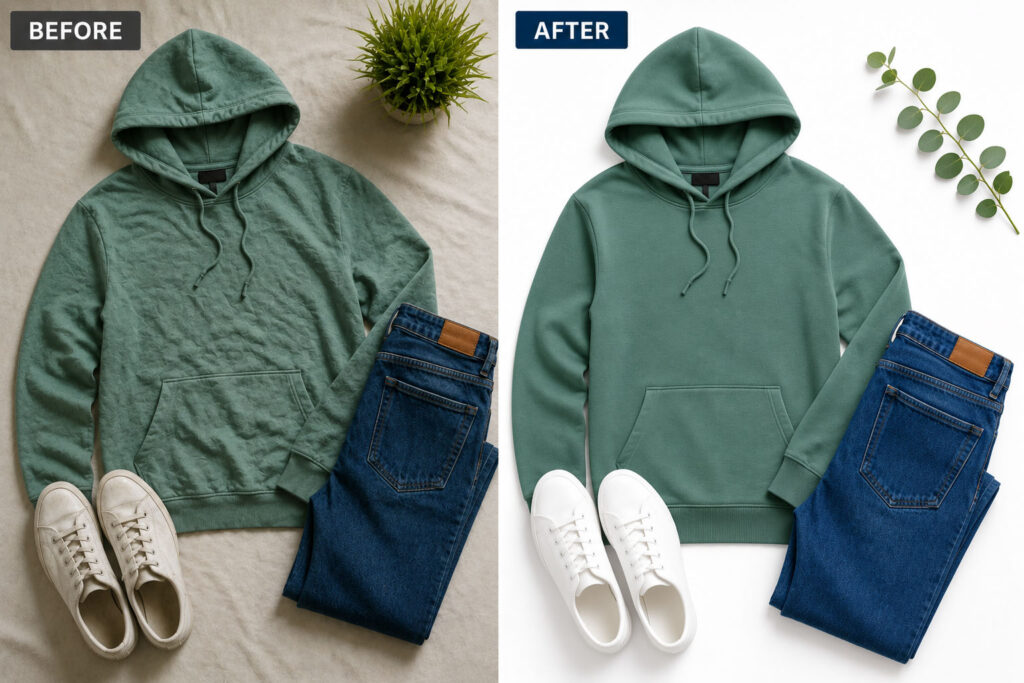
Editing Flat Lay Clothing Photography
Post-processing is where good images become exceptional images.
Editing allows photographers to refine exposure, correct colors, remove distractions, and enhance overall presentation.
Basic adjustments typically include brightness correction, contrast enhancement, white balance optimization, and sharpening.
Background cleanup is often necessary, especially for eCommerce photography. Removing dust spots, imperfections, and unwanted shadows helps create a cleaner appearance.
Color correction is particularly important in Flat Lay Clothing Photography because customers expect garments to match product images.
If the clothing appears significantly different in person, trust can quickly erode.
Advanced retouching may involve wrinkle reduction, fabric enhancement, background replacement, clipping paths, ghost mannequin effects, and shadow refinement.
These techniques help create polished, professional images that meet modern eCommerce standards.
Why Professional Image Editing Matters
Even the best photographers rely on editing.
Lighting variations, minor garment imperfections, color inconsistencies, and background distractions are all common challenges during apparel photography.
Professional editing ensures every image meets the same quality standard.
For fashion brands, retailers, online marketplaces, and clothing manufacturers, image consistency can directly influence customer perception and sales performance.
A professionally edited catalog looks more trustworthy, more organized, and more premium.
When hundreds or thousands of product images need processing, outsourcing editing often becomes the most efficient solution.
Final Thoughts on Flat Lay Clothing Photography
Flat Lay Clothing Photography remains one of the most effective methods for showcasing apparel online. It combines simplicity, affordability, flexibility, and visual appeal in a way that works for businesses of every size.
Whether you are photographing products for an eCommerce website, creating content for social media, building a fashion portfolio, or launching a new clothing brand, mastering Flat Lay Clothing Photography can dramatically improve your visual presentation.
Success comes from paying attention to details. Proper garment preparation, consistent lighting, thoughtful styling, accurate camera positioning, and professional editing all contribute to stronger results.
Over time, small improvements in each area can transform ordinary product images into professional marketing assets that capture attention and build customer trust.
Need Professional Editing for Your Clothing Photos?
At Image Work India, we help fashion brands, clothing retailers, photographers, and eCommerce businesses transform ordinary product photos into high-converting images.
Our services include background removal, clipping path, apparel retouching, color correction, shadow creation, ghost mannequin editing, image masking, and complete eCommerce photo enhancement solutions.
If you are investing time and effort into Flat Lay Clothing Photography, professional editing can help you get the maximum value from every image. We work with businesses worldwide and focus on delivering clean, consistent, and marketplace-ready product photos that help brands look their best online.
Visit Image Work India to learn more about our image editing services and discover how we can help elevate your clothing photography workflow.